

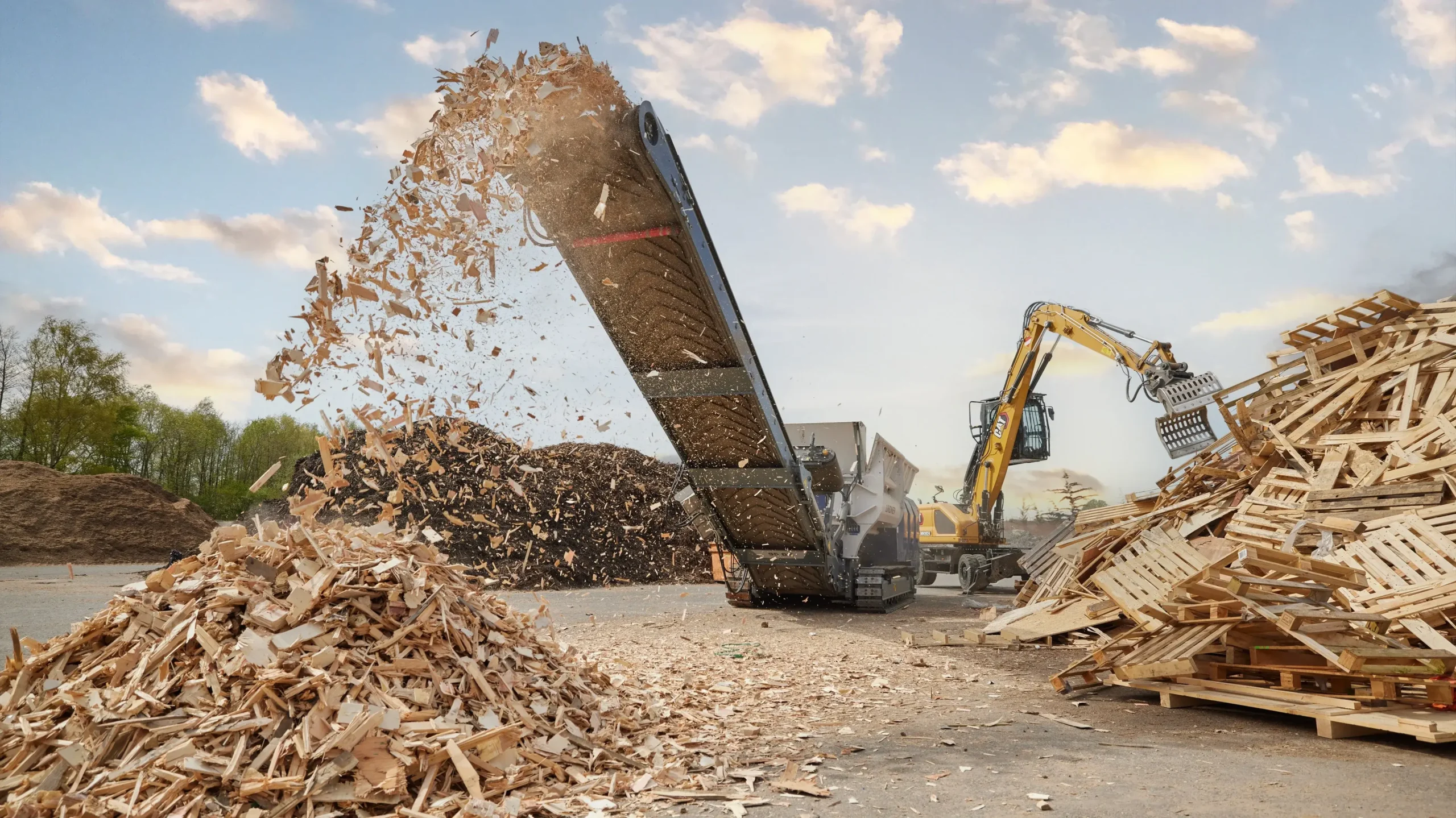
Waste Wood Recycling
Shred graded waste wood to the right size for board manufacture or biomass fuel.
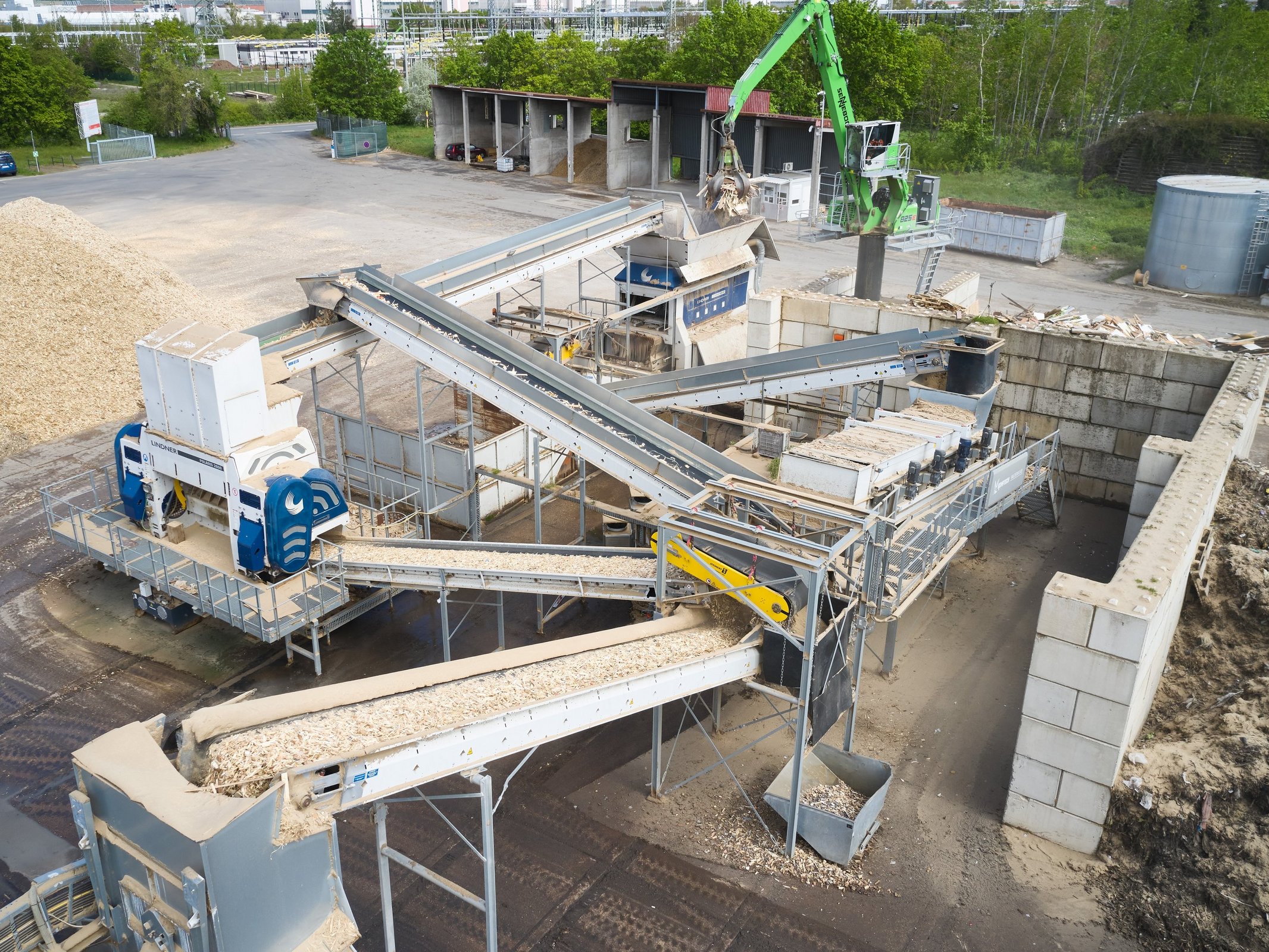
Matching the process to the wood
Waste wood varies widely, from clean pallets to treated timber and railway sleepers. The grade of the material decides where it can go, so the shredding process has to be set up around the end use.
Cleaner grades can be processed into material for chipboard production, while wood that is unsuitable for board making can be turned into fuel for thermal recovery. Getting the size and cleanliness right means less goes to waste and more of the wood earns a return.
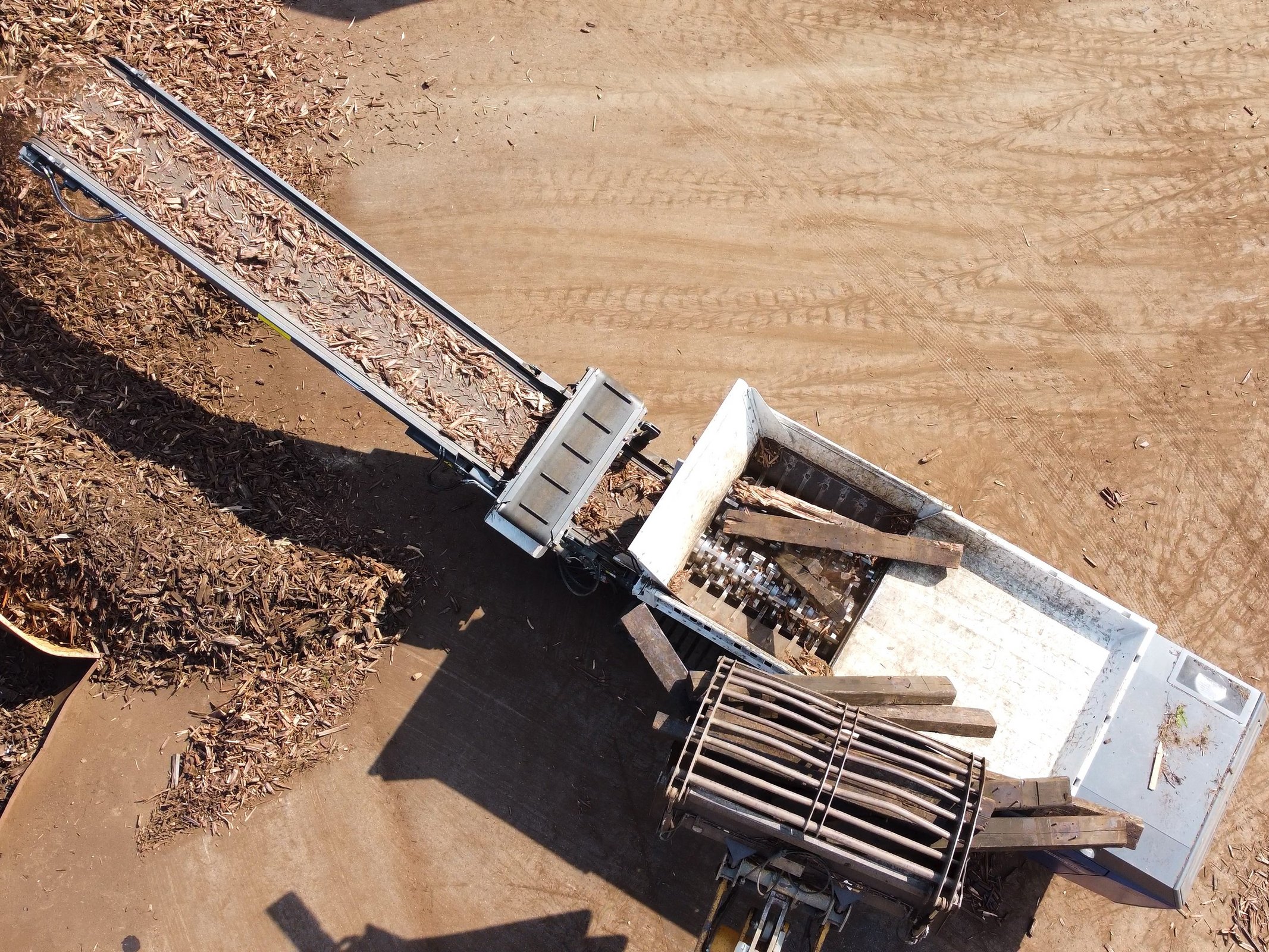
How the process works
Incoming wood is sorted by its contamination grade, from A I through to A IV, and then shredded using the technology best suited to its destination. The aim is a defined, consistent particle size that the board mill or biomass plant will accept.
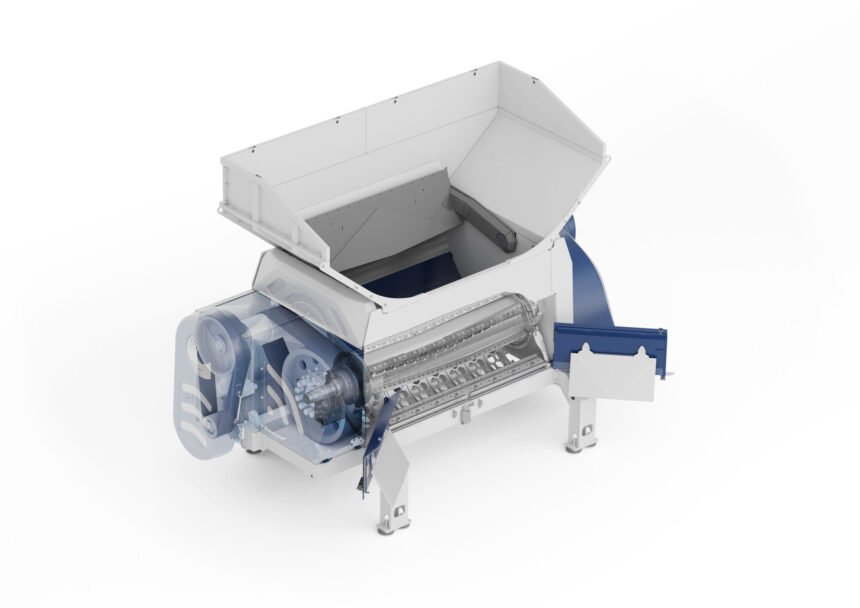
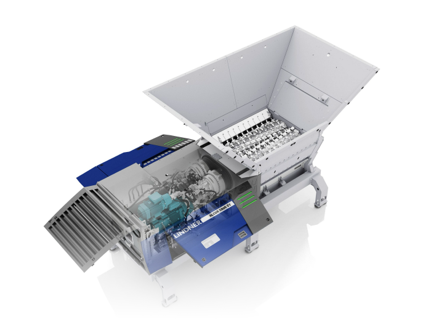
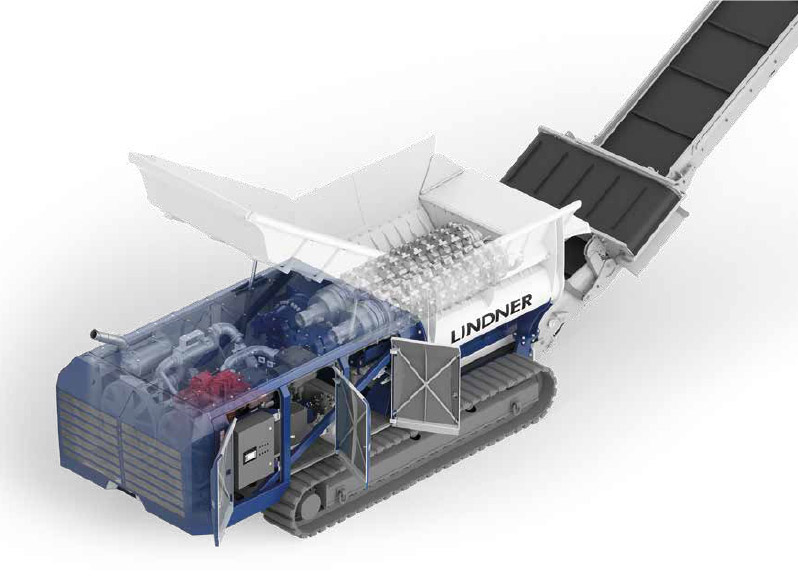
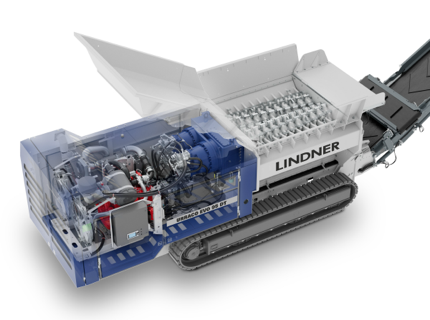
For stationary plants, the Lindner Polaris handles one-step shredding, the Merak 2800 and Merak 2800 DT are used for wood processing, and the Jupiter, Atlas and Alcor serve as primary shredders. Where a mobile option is needed, the Urraco range can move between sites.
Output sizes
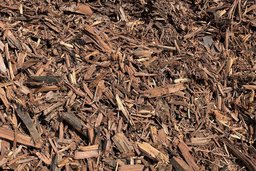
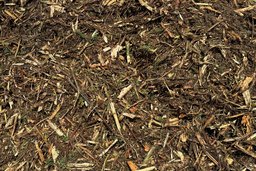
For material recycling into board, wood is typically shredded to 10 to 30 mm. Wood destined for thermal recycling is usually produced at 80 to 120 mm.
Wood fuel is classified into P classes under EN ISO 17225-1, which range from P16 (under 16 mm) through P45, P63 and P100 to P200 (under 200 mm). Our engineers can help you set up a line to hit the class your customer specifies.
Why choose this solution
Two outlets for your wood
Produce chip for board manufacture or fuel for thermal recovery from the same intake.
Defined particle sizes
From 10 to 30 mm for board making up to 80 to 120 mm for fuel.
Wide input range
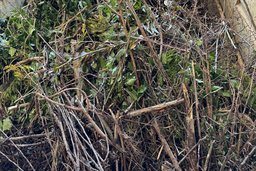
Mixed waste wood, pallets, railway sleepers, green waste and rootstocks.
Stationary or mobile
Fixed plant shredders for high volumes, or the mobile Urraco for flexible operations.
Contaminants removed
Clean output that is safe to use in chipboard production.
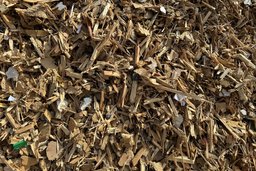
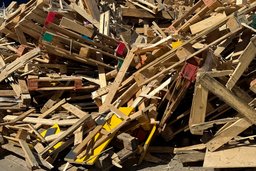
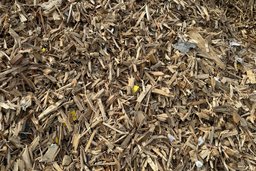
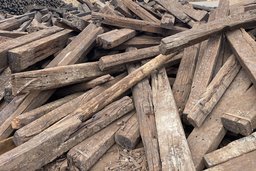
Before and after: what goes in, what comes out
Typical input materials and the shredded output they produce.
Recommended Lindner machines
Polaris
Available products
- 1800
- 2200
- 2800
One-Step RDF Processing


MerakNew
Available products
- 2800
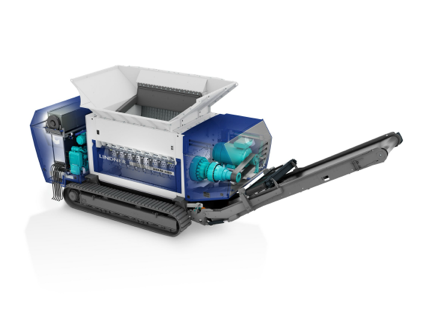
One-Step RDF Processing


Merak 2800 DTNew
Available products
- Merak 2800 DT
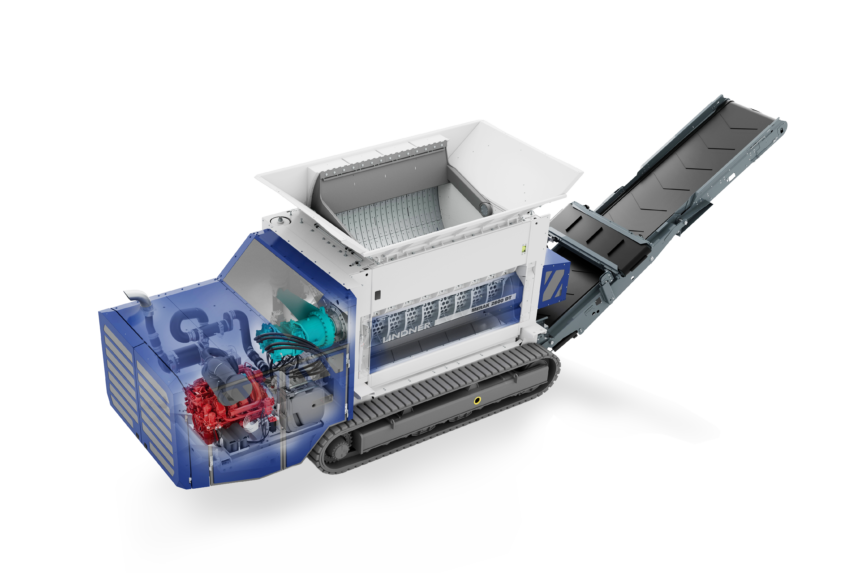
Mobile Shredders
Jupiter
Available products
- 1800
- 2200
- 3200
- 2200 HP
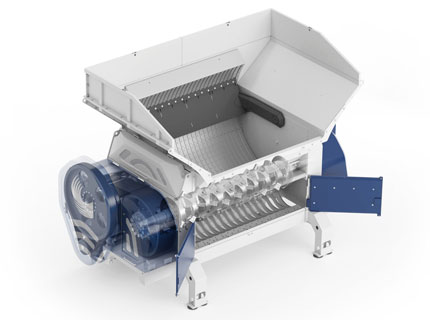
Primary Shredders
Atlas
Available products
- 5500 AS
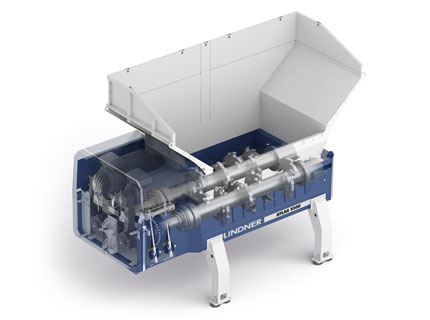
Primary Shredders
Alcor
Available products
- 5000 SY
Primary Shredders
Urraco
Available products
- Urraco 75
- Urraco 95
- Urraco 4000
Mobile Shredders
Urraco EVO SeriesNew
Available products
- Urraco EVO 75 DT
- Urraco EVO 85 DT
- Urraco EVO 95 DT
Mobile Shredders
FAQs
What types of waste wood can Lindner shredders handle?
Typical inputs include mixed waste wood, pallets, railway sleepers, green waste and rootstocks. The right machine depends on the grade and volume of wood you take in.
What size should waste wood be shredded to?
For chipboard production a size of 10 to 30 mm is typical, while fuel for thermal recovery is usually 80 to 120 mm. Wood fuel can also be produced to a specific P class under EN ISO 17225-1.
Should I choose a stationary or a mobile shredder?
Stationary machines such as the Polaris or Merak suit fixed plants with steady volumes. The mobile Urraco is better if you process at several sites or need to move the machine around. We can talk through both options with you.
Can Mach Tech service my wood shredder?
Yes. Our Lindner-trained engineers carry out installation, maintenance and repairs and supply spare and wear parts across the UK and Ireland.
Talk to us about waste wood
Tell us the grades and volumes of wood you handle and where the output is going, and we will recommend the right Lindner shredder. We can visit your site anywhere in the UK or Ireland.
Call us on 01706 838246