

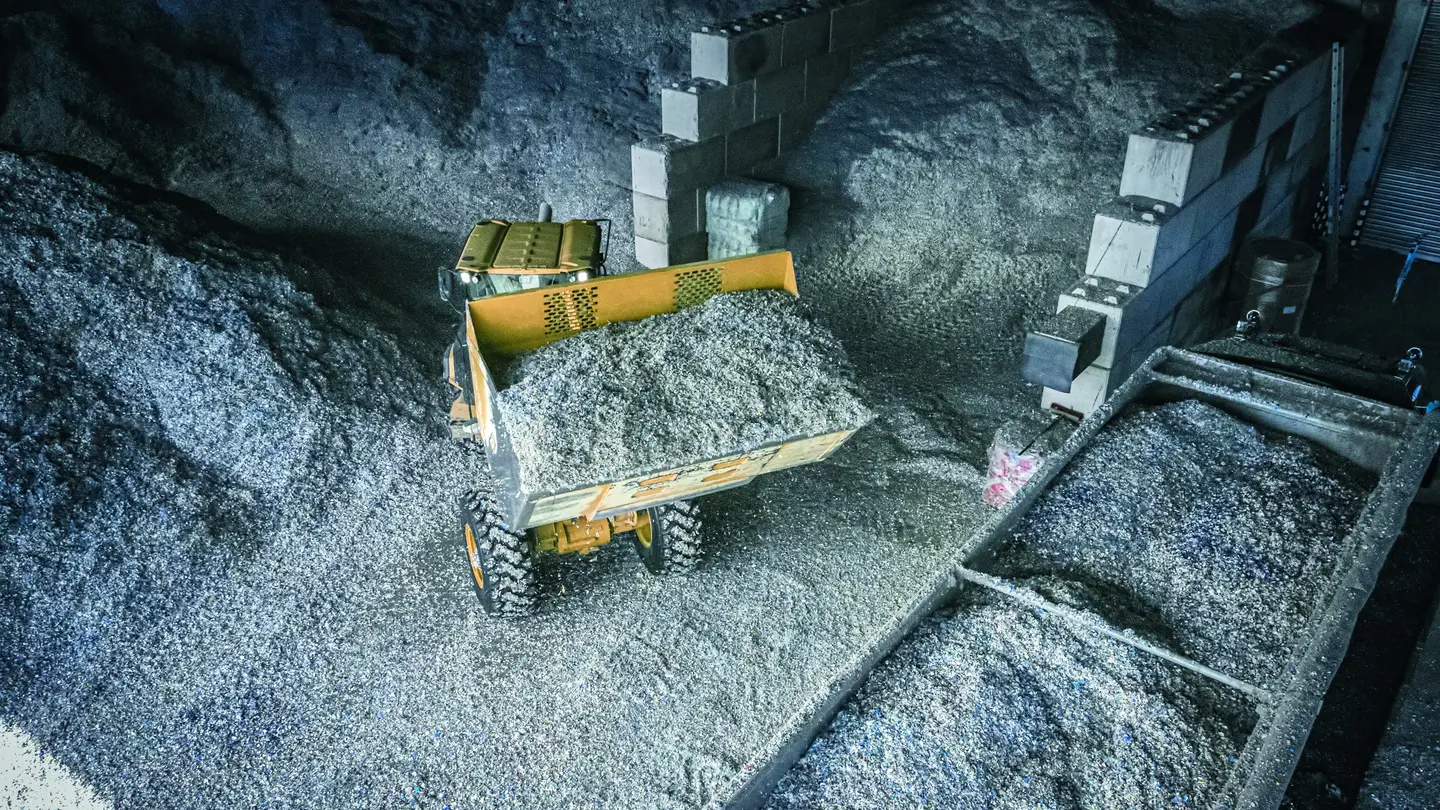
SRF Production for Main Burners
Multi-stage Lindner processing lines that produce a fine, high-calorific fuel for cement kiln main burners.
Premium fuel for the main burner
Main burners need a fuel that is fine, dry and consistent, because it has to ignite and burn out in flight. A multi-stage Lindner line is designed to deliver exactly that from mixed residual waste.
The system accepts municipal solid waste, bulky waste, production waste and commercial and industrial waste. Along the way it pulls out metals, heavy material and unwanted plastics such as PVC, so the fuel that reaches the kiln is clean and the recyclables recovered on the way can be sold separately.
How the process works
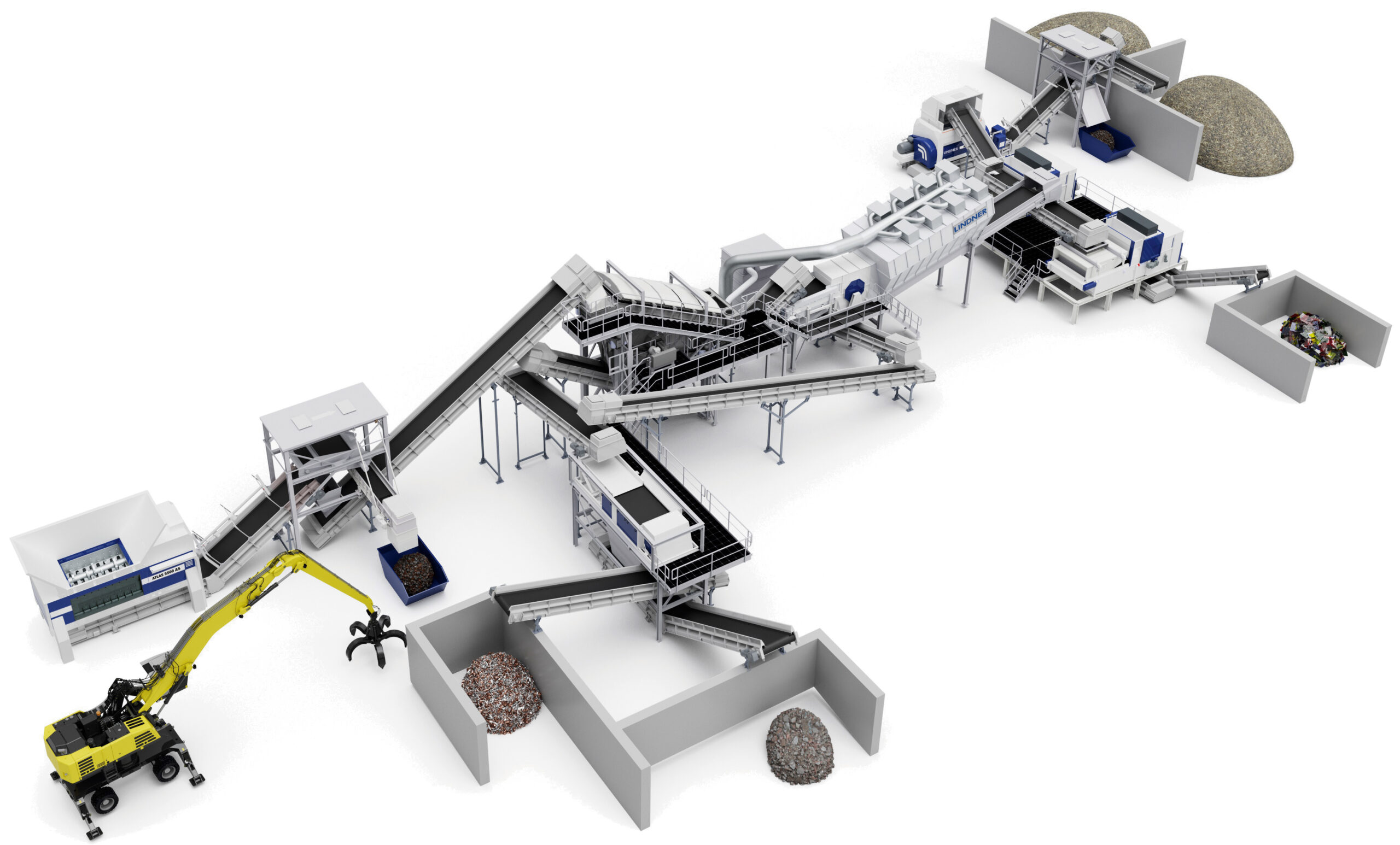
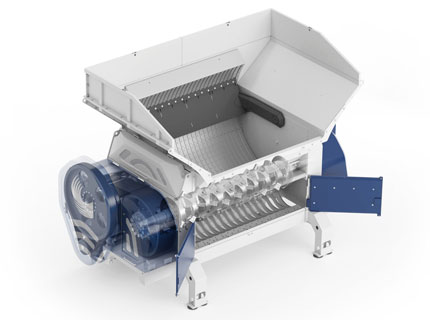
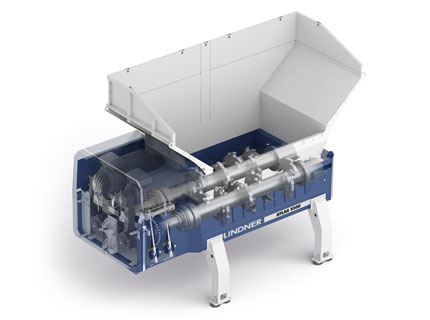
The line starts with a primary shredder, typically a Lindner Jupiter or Atlas, which breaks the waste down to a uniform 200 to 400 mm. An overbelt magnet then removes ferrous metal and the material is screened using drum, vibrating or disc screens.
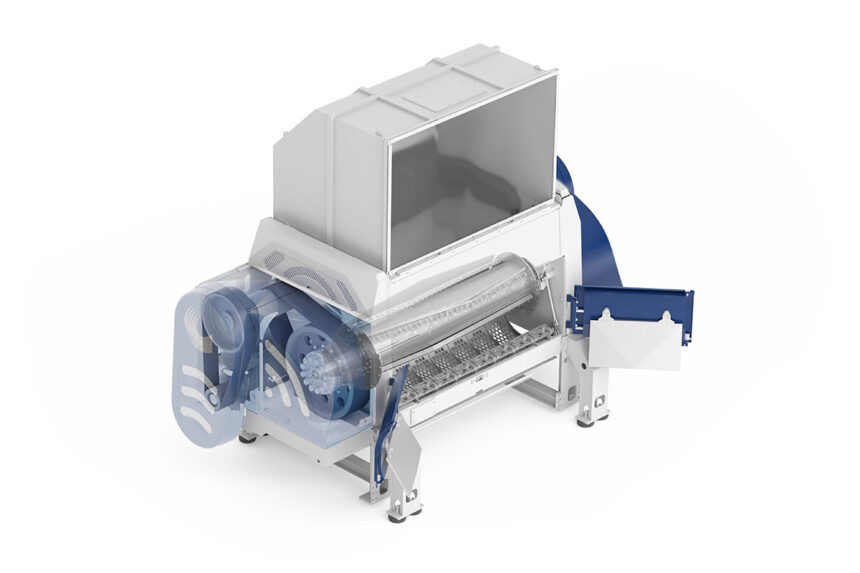
Eddy current separators recover non-ferrous metals such as aluminium, copper and brass, a wind sifter takes out the heavy fraction, and NIR sorting removes materials like PVC that would harm fuel quality. A Lindner Komet secondary shredder then produces the final fine fuel, with inline monitoring checking the material in real time.
Output quality
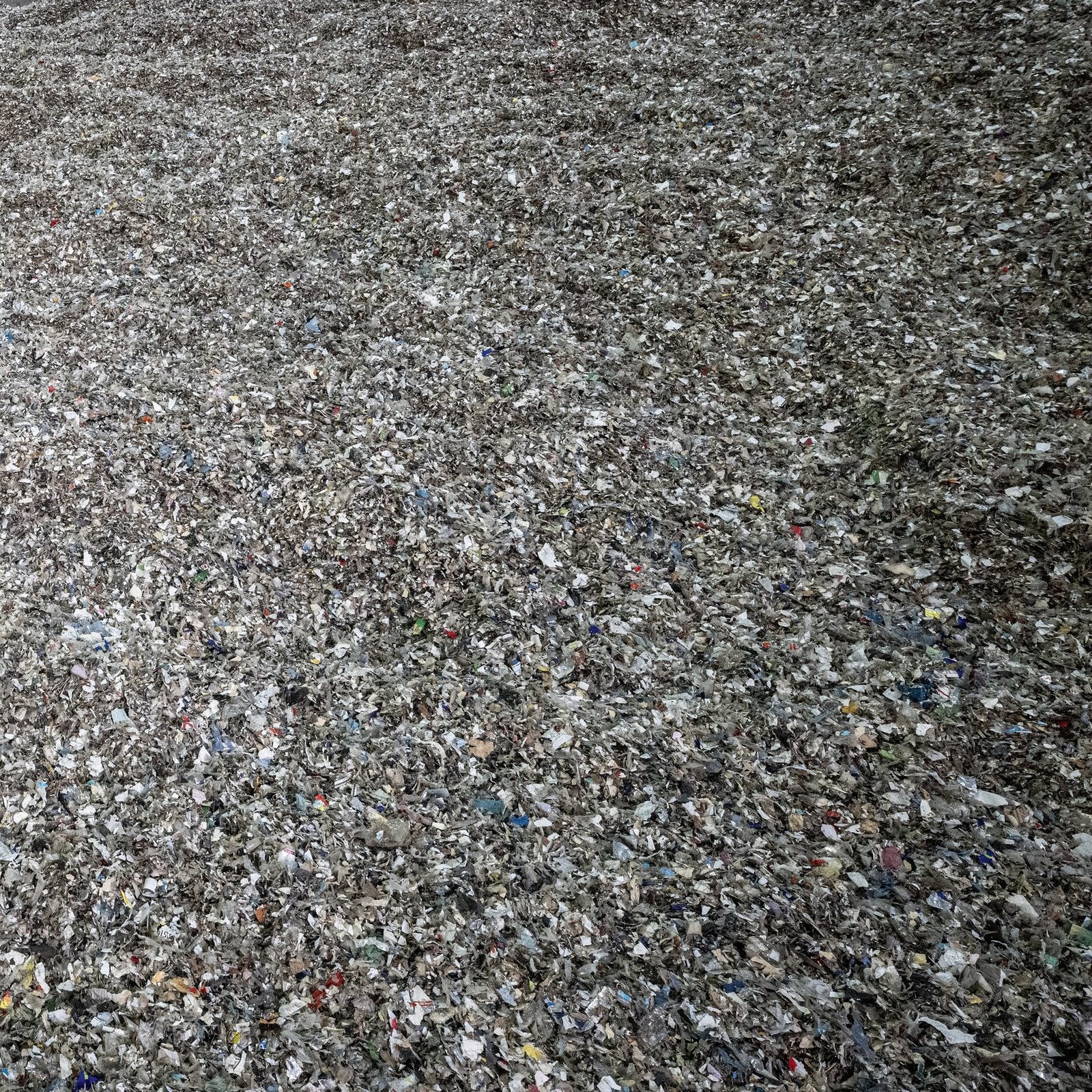
The finished SRF has a particle size of d95 at or below 30 mm, with up to 35 mm possible, and a calorific value of 18 to 25 MJ/kg. Bulk density is under 150 kg/m3 and moisture content is below 15%.
A complete line can produce up to 40 tonnes of finished premium SRF per hour and is built for continuous 24-hour running.
Why choose this solution
High calorific value
Fuel in the 18 to 25 MJ/kg range, with NIR sorting used to optimise the final value.
Fine, consistent particle size
Secondary shredding on a Komet brings the fuel down to d95 at or below 30 mm for reliable combustion.
Contaminants removed
Metals, stones, glass and heavy fractions are taken out before the fuel reaches the burner.
Recyclables recovered
Ferrous and non-ferrous metals and sorted plastics can be sent on for separate recycling.
Built for 24-hour running
Robust Lindner shredders designed for continuous operation with very little maintenance.
Local support
Our Lindner-trained engineers install, service and supply parts for the whole line across the UK and Ireland.
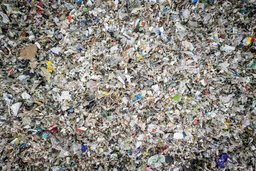
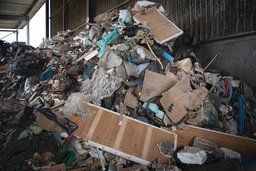
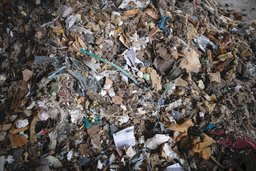
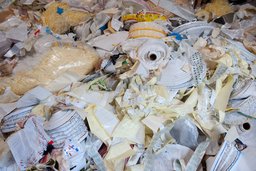
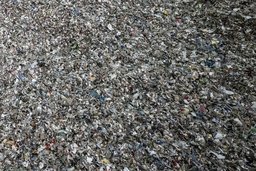
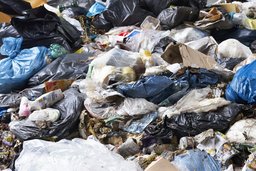
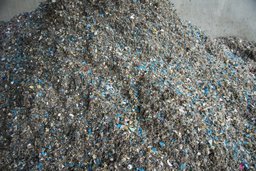
Before and after: what goes in, what comes out
Typical input materials and the shredded output they produce.


FAQs
What waste can be processed into main burner SRF?
The process is designed for municipal solid waste, bulky waste, production waste, mixed waste and commercial and industrial waste. We will look at your input stream during a site visit to confirm how it fits.
What particle size and calorific value does the fuel reach?
The finished fuel reaches d95 at or below 30 mm, with up to 35 mm possible, and a calorific value of 18 to 25 MJ/kg. Moisture is kept below 15% and bulk density below 150 kg/m3.
Why is a two-stage shredding process needed?
Main burners need a much finer fuel than calciners. Primary shredding opens up the waste so metals and contaminants can be separated, and the Komet secondary shredder then produces the fine, uniform particle size the burner requires.
Can Mach Tech support the whole line, not just the shredders?
Yes. We advise on the full process from shredding to separation and screening, carry out installation and provide ongoing maintenance, repairs and spare and wear parts from our Oldham base.
Talk to us about SRF production
Tell us about your waste stream and target fuel specification and we will recommend a Lindner line to suit. We are happy to visit your site anywhere in the UK or Ireland.
Call us on 01706 838246