

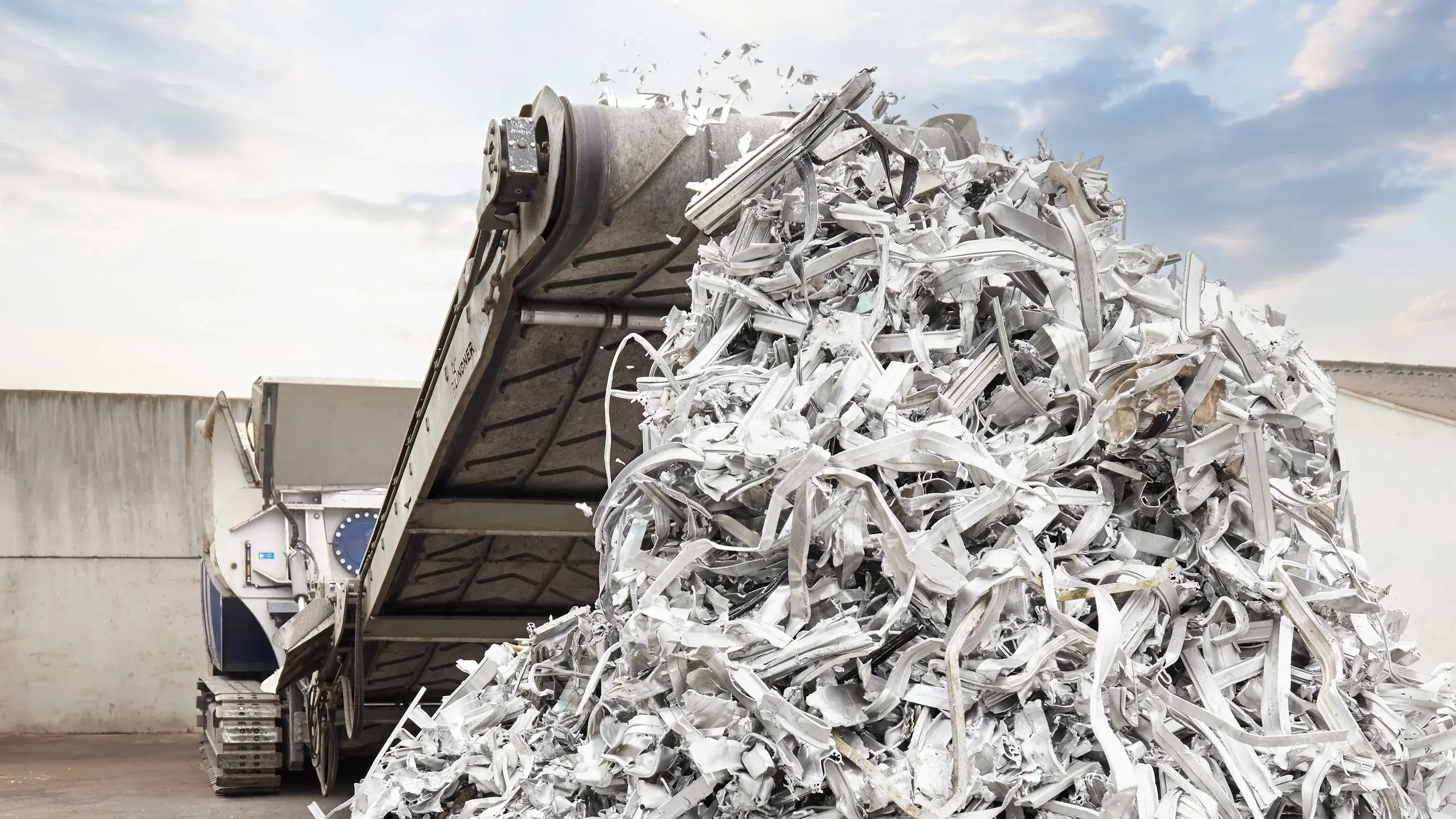
Light Scrap Recycling
Pre-shredding for light scrap, cable and aluminium that makes sorting and downstream processing more efficient.
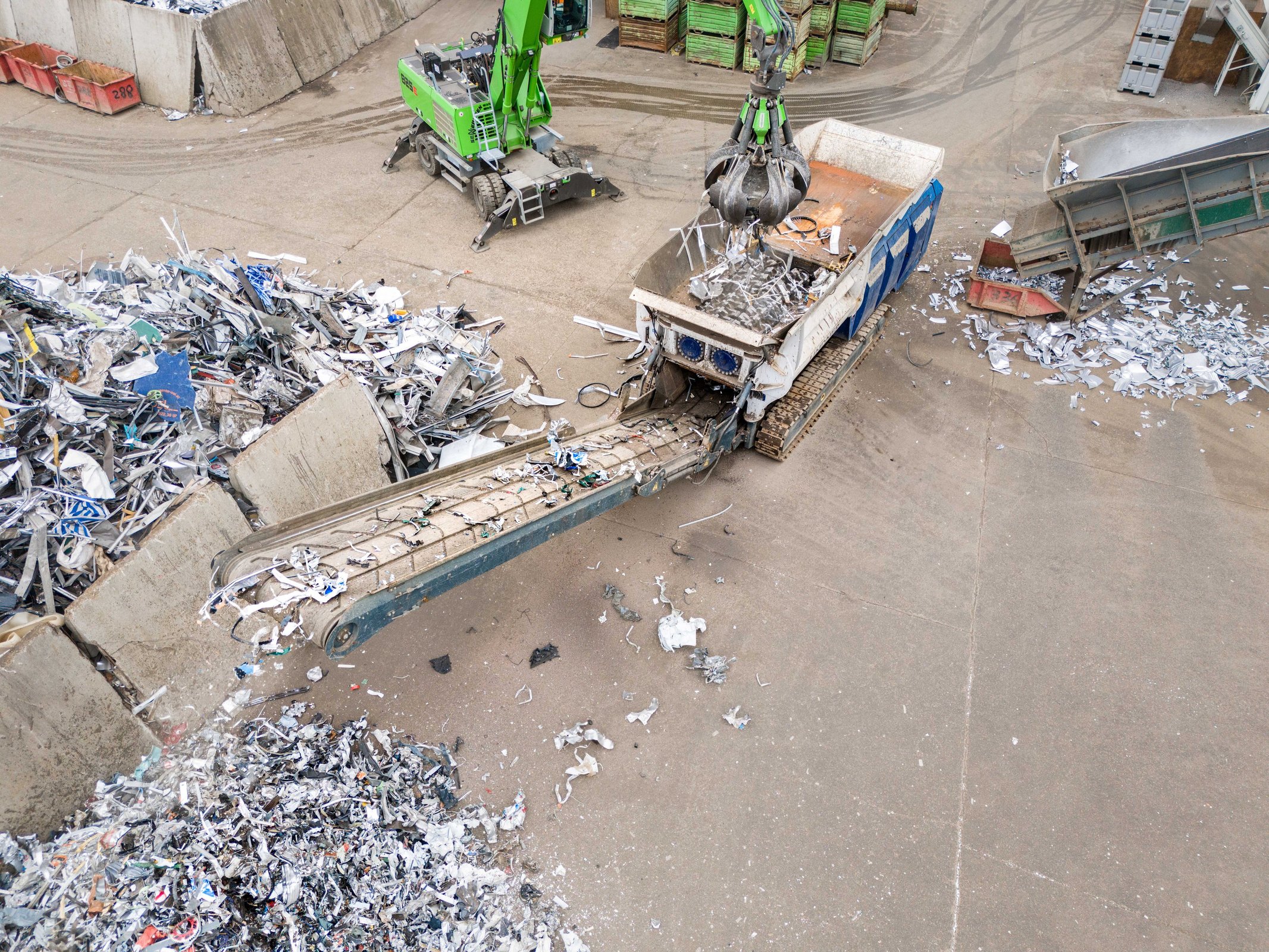
Make bulky scrap easier to handle
Light scrap such as sheet metal, scrap iron, aluminium profiles, old cable and electronic scrap is bulky, awkward and often mixed with other materials. Shredding it first reduces its volume and turns it into a product that can be sorted and processed efficiently.
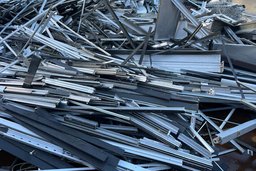
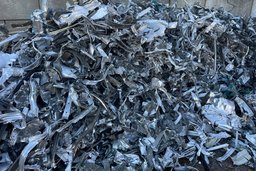
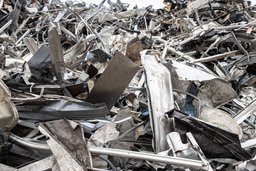
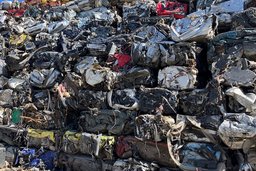
Typical inputs include cable, aluminium profiles, aluminium scrap, mixed scrap metal and car bodies.
How the process works
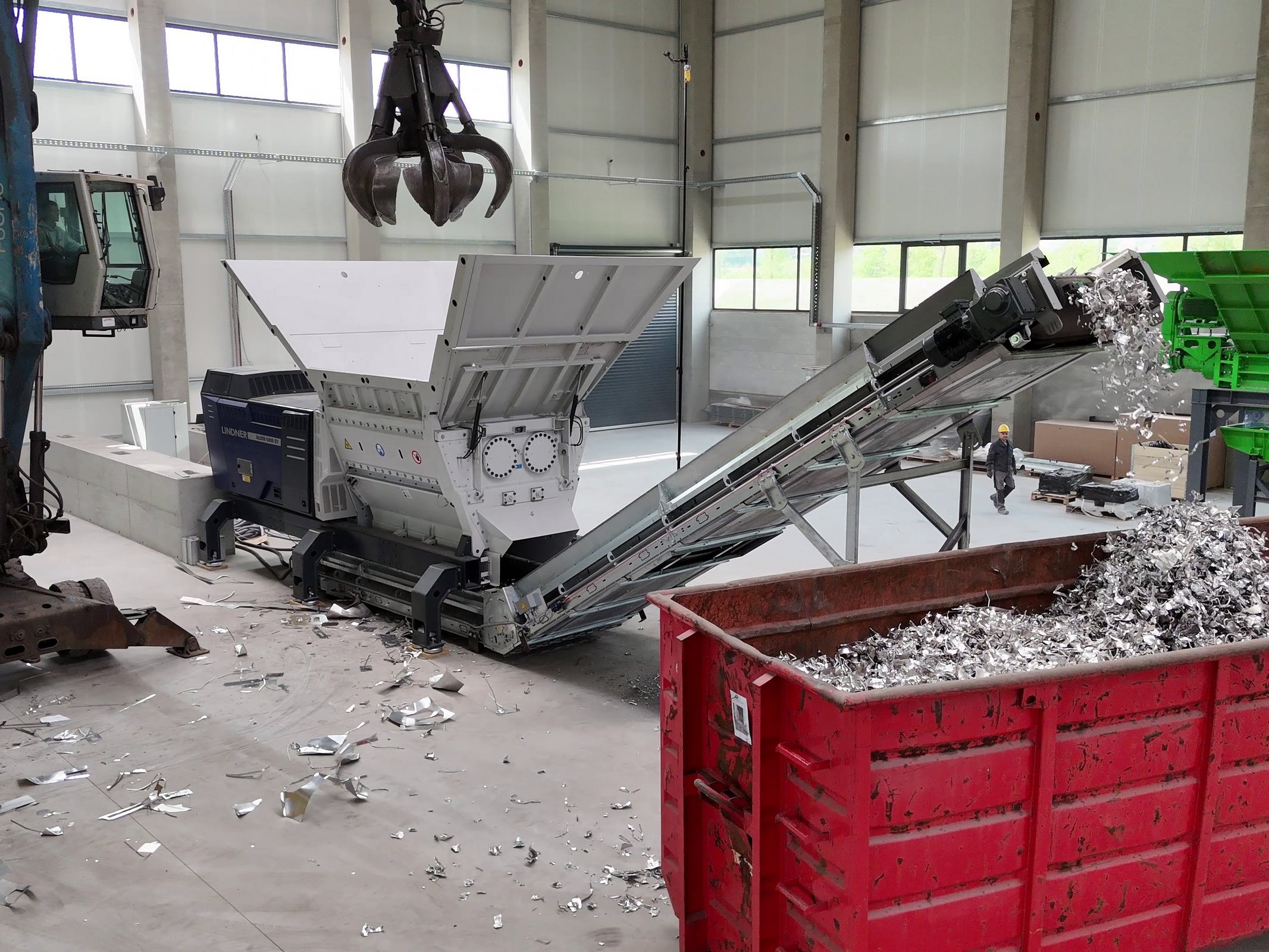
The shredder reduces the volume of the scrap and increases its bulk density. In doing so it opens up compound materials such as aluminium and iron or aluminium and plastic, so the different metals can be separated.
The result is a particle size suited to the sorting stage that follows, with further processing such as hammer milling or melting possible afterwards. The Alcor twin-shaft shredder and Polaris one-step shredder suit stationary plants, while the Urraco range offers a mobile option.
Output sizes
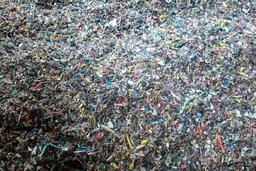
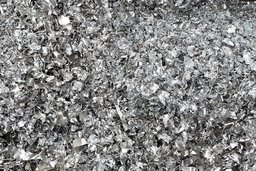
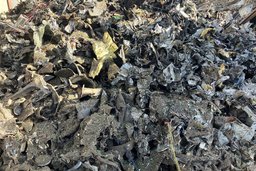
Twin-shaft shredding produces a size of around 250 to 350 mm. Single-shaft shredding for aluminium recycling gives a defined size under 100 mm, and cable recycling produces a uniform output under 60 mm.
Pre-shredding ahead of a hammer mill improves the efficiency of the whole process, increases throughput and shields the mill from non-shreddable and explosive items.
Why choose this solution
Reduced volume
Higher bulk density makes scrap easier to store, transport and process.
Better separation
Compound materials are broken apart so metals can be sorted more cleanly.
Hammer mill protection
Non-shreddables and explosive items are dealt with before they reach the mill.
Higher downstream throughput
Pre-shredded material improves the overall efficiency of post-processing.
Less wear and downtime
Lower maintenance and fewer unplanned stoppages across the line.
Before and after: what goes in, what comes out
Typical input materials and the shredded output they produce.
Recommended Lindner machines
Alcor
Available products
- 5000 SY
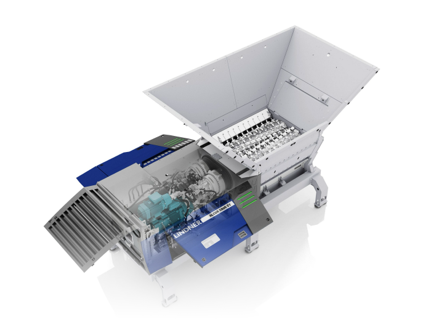
Primary Shredders


Polaris
Available products
- 1800
- 2200
- 2800
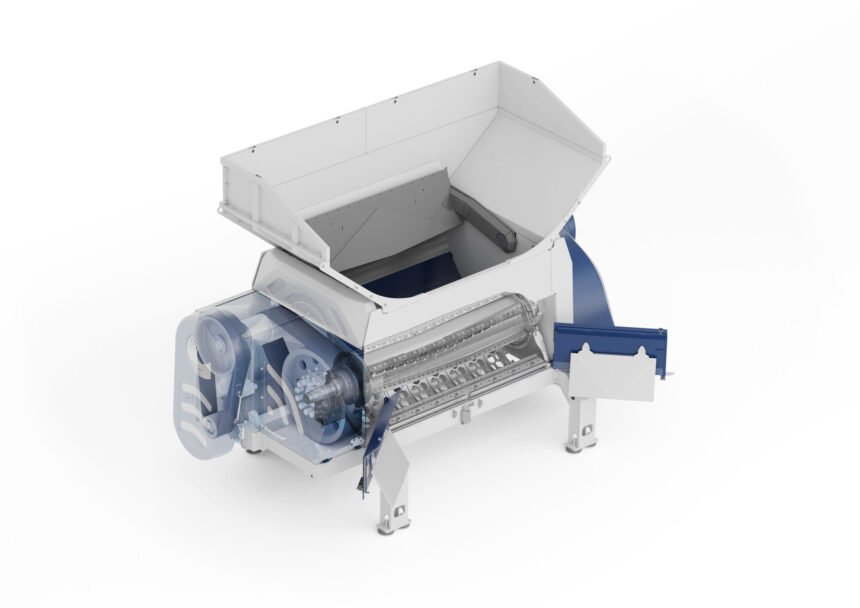
One-Step RDF Processing

Urraco
Available products
- Urraco 75
- Urraco 95
- Urraco 4000
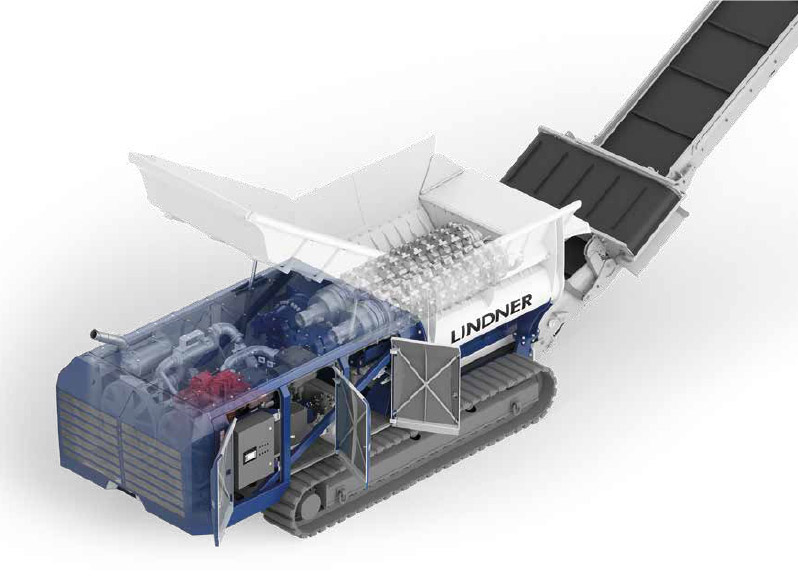
Mobile Shredders
Urraco EVO SeriesNew
Available products
- Urraco EVO 75 DT
- Urraco EVO 85 DT
- Urraco EVO 95 DT
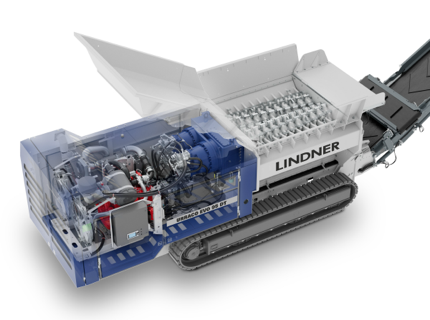
Mobile Shredders
FAQs
What types of scrap can be pre-shredded?
Typical materials include cable, aluminium profiles, aluminium scrap, mixed scrap metal, car bodies, sheet metal and electronic scrap. We can assess your material during a site visit.
Why pre-shred before a hammer mill?
Pre-shredding increases throughput and the efficiency of the hammer mill. It also protects the mill from non-shreddable and explosive items, reducing wear and unplanned downtime.
What output sizes are achievable?
A twin-shaft machine produces around 250 to 350 mm. Single-shaft shredding gives under 100 mm for aluminium and under 60 mm for cable.
Is there a mobile option for scrap shredding?
Yes. The Lindner Urraco range is mobile and suits operators who need to move between sites. For fixed plants, the Alcor and Polaris are the usual choices.
Talk to us about scrap shredding
Tell us what scrap you process and what happens to it next, and we will recommend the right Lindner shredder. Site visits are available across the UK and Ireland.
Call us on 01706 838246