

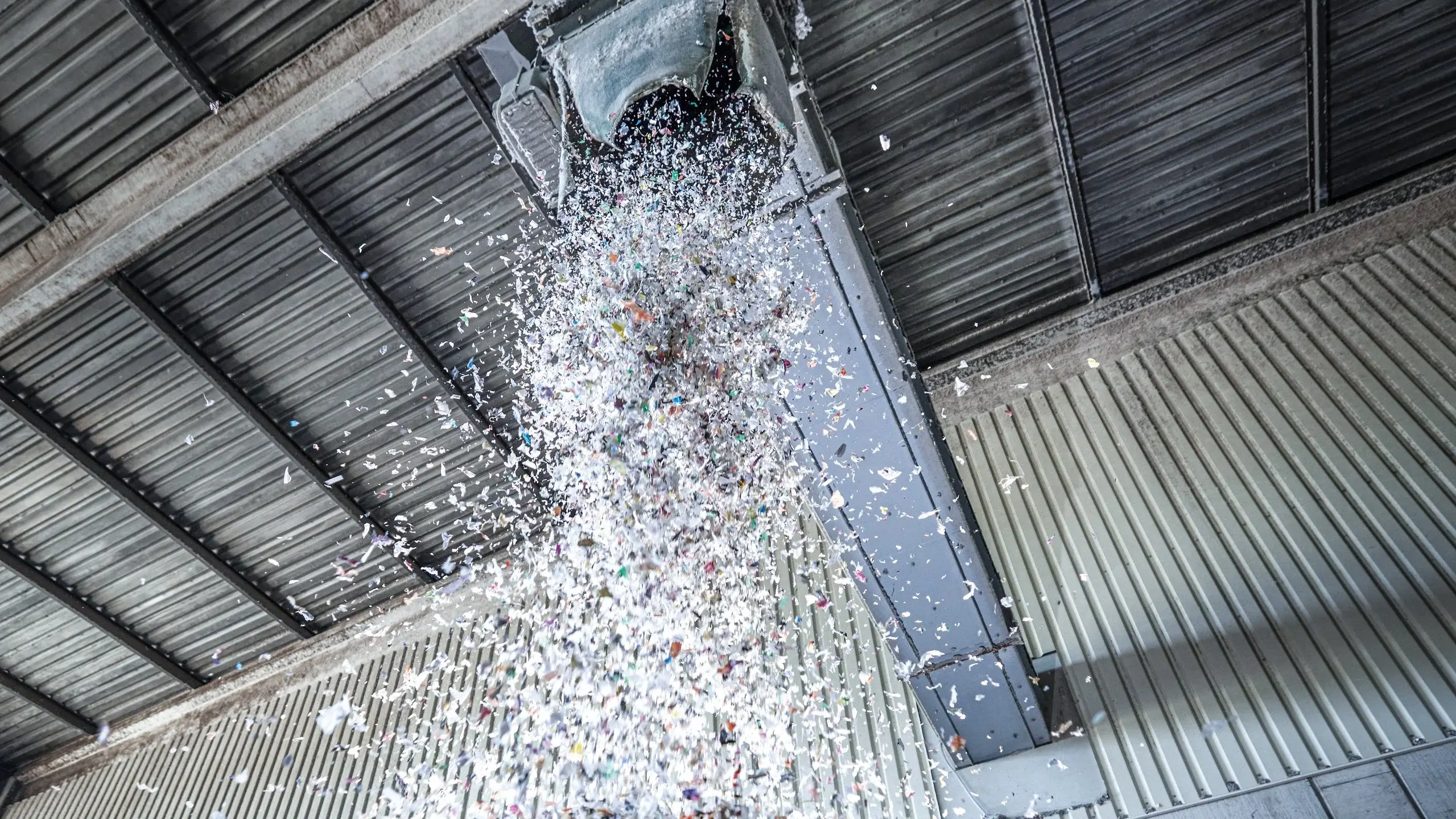
SRF Production for Calciners
A lean, single-stage shredding process that turns untreated waste into calciner-ready fuel.
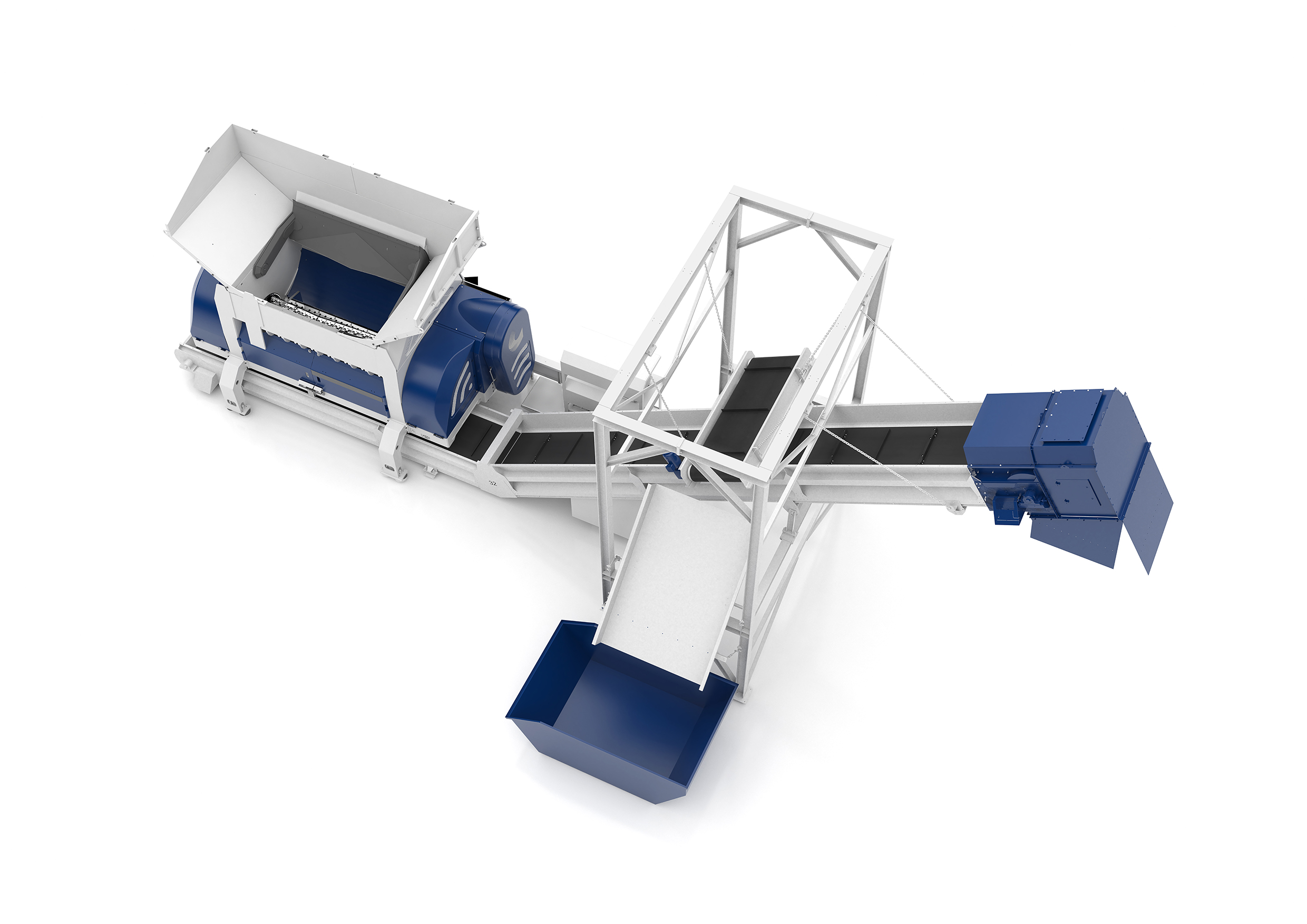
A simpler route to alternative fuel
Calciners accept a coarser fuel than main burners, which means the process can be far leaner. With the right shredder, untreated waste can be turned into usable SRF in a single pass.
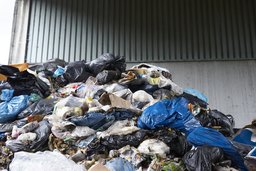
This keeps the cost per tonne down compared with multi-stage processing and gives a steady, continuous output for cement kilns or fluidised bed plants. Typical inputs include municipal solid waste, bulky waste, production waste, mixed waste and commercial and industrial waste.
How the process works
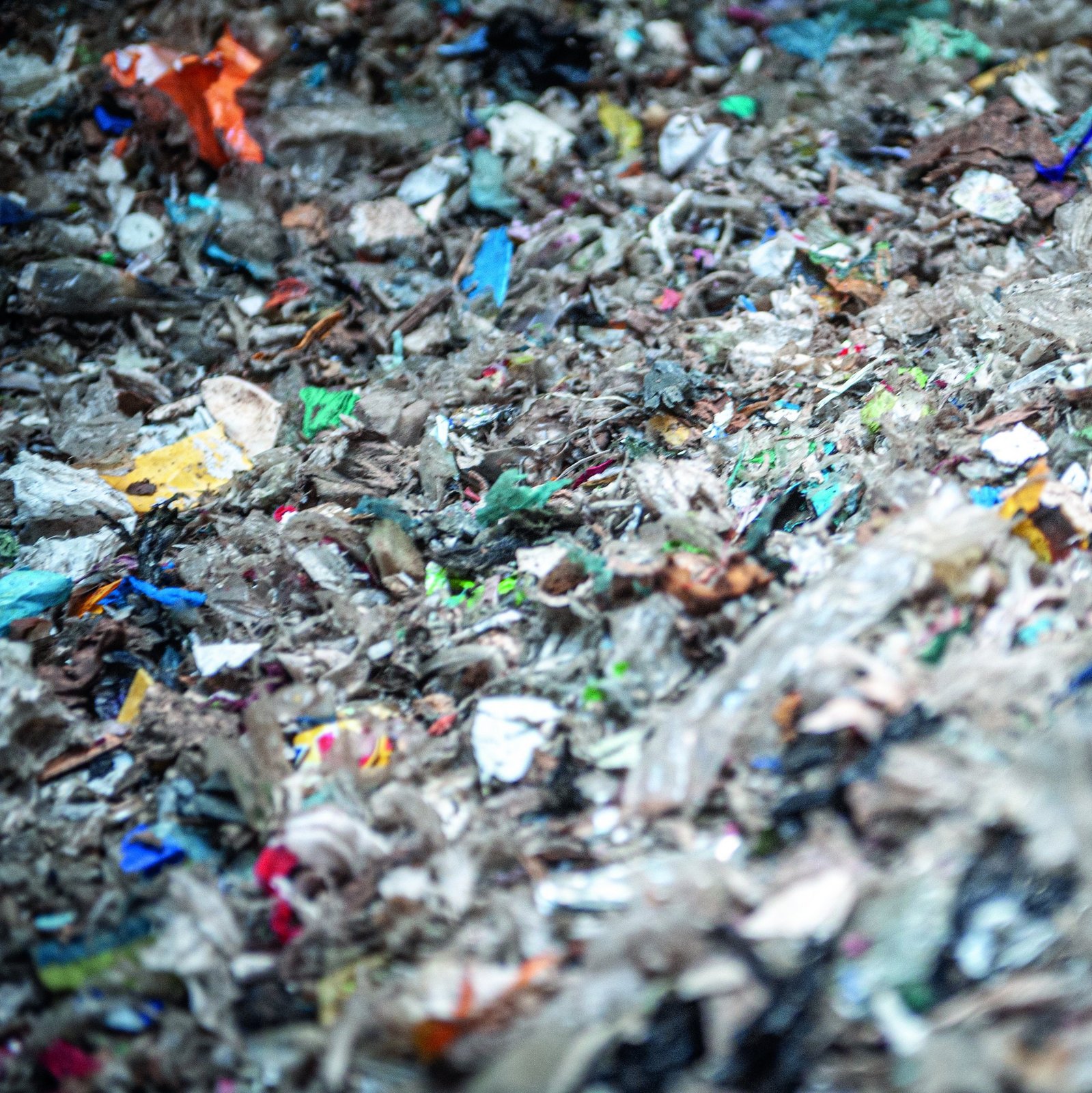
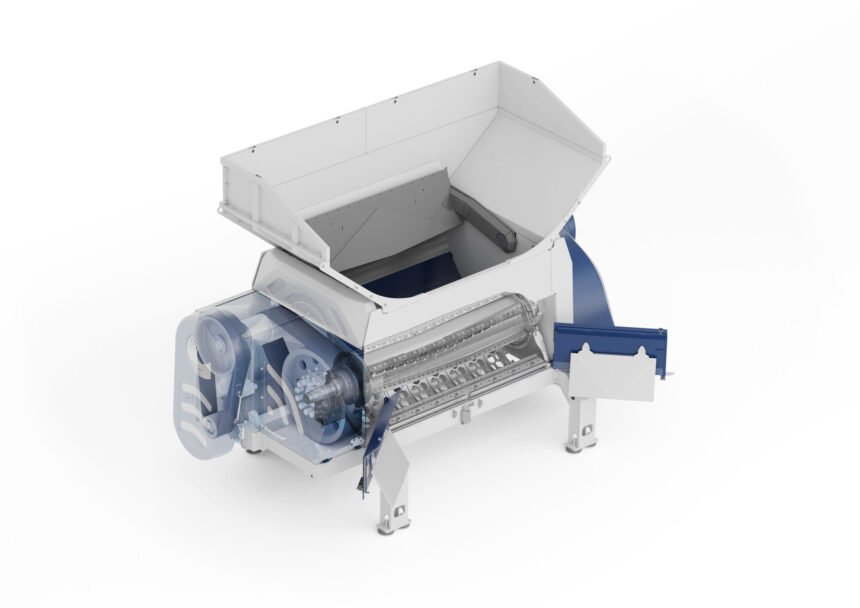
Waste is fed straight into the shredder by wheel loader, excavator or dosing hopper, with no pre-treatment. The Lindner Polaris, a compact one-step shredder, reduces it to the target size in one pass.
The shredded material drops onto a stationary conveyor, where an optional permanent magnet can remove ferrous metal. The output is then ready to be sent for incineration. Other Lindner shredders, including the Jupiter, Universo, Atlas and Komet, and the mobile Urraco, can also be used depending on the site.
Output quality
The resulting medium-calorific SRF has a calorific value of 12 to 18 MJ/kg. Particle size is typically d95 at or below 80 mm and can be set anywhere between 40 and 100 mm.
Bulk density is under 250 kg/m3 and moisture content below 20%.
Why choose this solution
Lower cost per tonne
A single shredding stage replaces the multiple steps of a comparable multi-stage line.
Adjustable output size
Particle size can be set between 40 and 100 mm to suit your calciner.
No pre-treatment
Untreated waste goes straight into the shredder by loader, excavator or hopper.
Steady, continuous output
A consistent flow of fuel to keep the kiln supplied.
Ferrous metal recovery
An optional magnet removes iron from the fuel so it can be recycled.
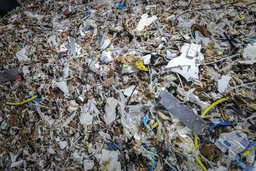
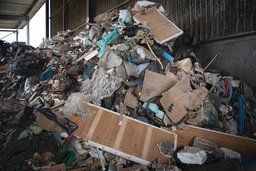
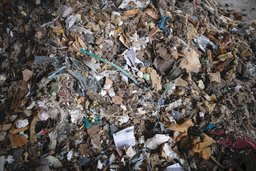
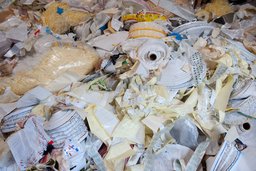
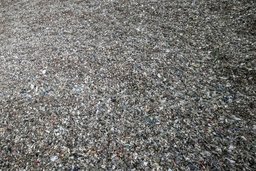
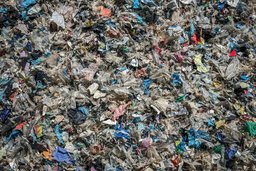
Before and after: what goes in, what comes out
Typical input materials and the shredded output they produce.
Recommended Lindner machines
Polaris
Available products
- 1800
- 2200
- 2800
One-Step RDF Processing


Jupiter
Available products
- 1800
- 2200
- 3200
- 2200 HP
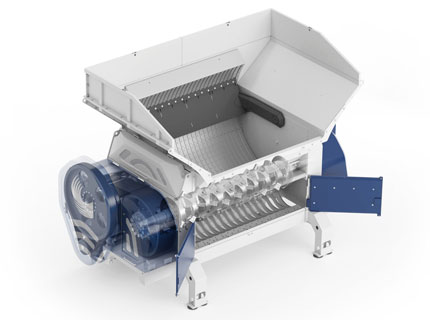
Primary Shredders


Universo
Available products
- 2200 / 2800
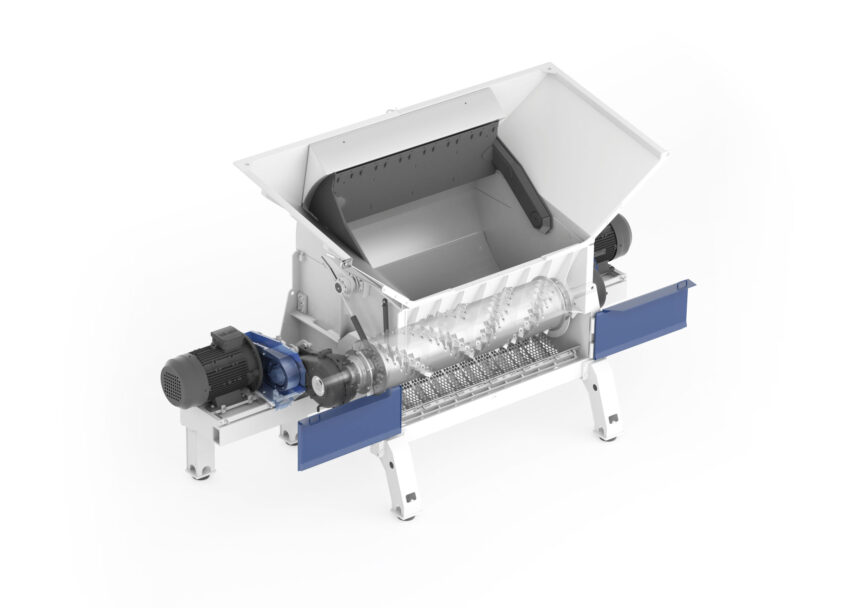
Universal Shredders

Urraco
Available products
- Urraco 75
- Urraco 95
- Urraco 4000
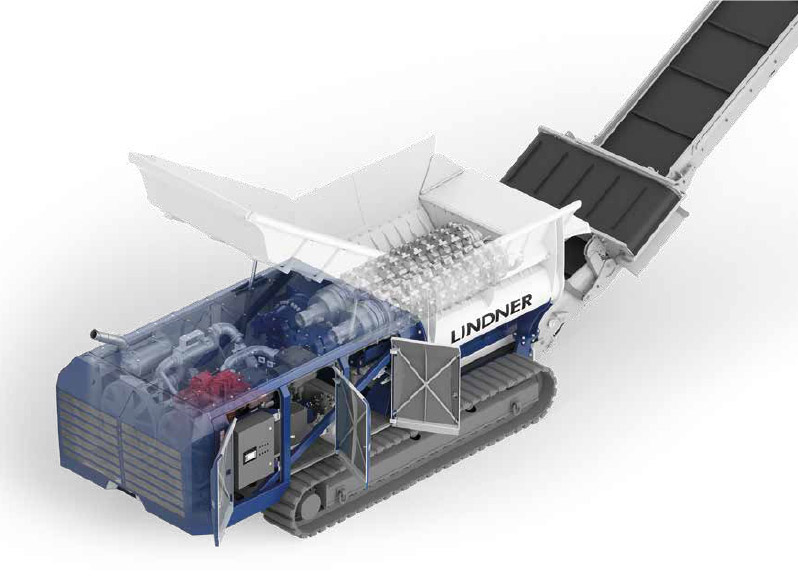
Mobile Shredders
FAQs
What is the difference between SRF for calciners and SRF for main burners?
Calciner fuel can be coarser and lower in calorific value, typically 12 to 18 MJ/kg at around 80 mm. That allows a single shredding stage, whereas main burner fuel needs a multi-stage line to reach 30 mm and a higher calorific value.
Which Lindner shredder is best for single-stage SRF?
The Lindner Polaris is the compact one-step shredder built for this job. The Jupiter, Universo and Atlas can also be used, and the mobile Urraco suits sites that need flexibility. We will recommend a machine based on your input and throughput.
Can I change the output size later?
The output size is selectable between 40 and 100 mm, so the fuel can be matched to what your calciner or customer requires. Our engineers can advise on the right setup during commissioning.
Does the waste need sorting before it is shredded?
No. The process is designed to take untreated waste directly from a loader, excavator or dosing hopper. A magnet after the shredder can then remove ferrous metal from the output.
Talk to us about calciner fuel
Let us know what waste you handle and the fuel specification you need, and we will suggest the right single-stage Lindner setup. Site visits are available across the UK and Ireland.
Call us on 01706 838246