Electric vs Diesel Waste Shredders: Why Clearaway Recycling Chose the Lindner Jupiter 3200
How switching from diesel-powered shredders to an electric Lindner Jupiter 3200 is helping Clearaway Recycling improve efficiency, reduce noise and support its waste processing operation.
For waste management and recycling businesses, the cost of operating heavy machinery is an important consideration. With fluctuating diesel prices, increasing operational costs and growing pressure to improve efficiency, more businesses are exploring the benefits of electric waste shredders.
At Clearaway Recycling, the decision to invest in a Lindner Jupiter 3200 electric primary shredder has brought several advantages compared with the diesel-powered shredders the business previously operated.
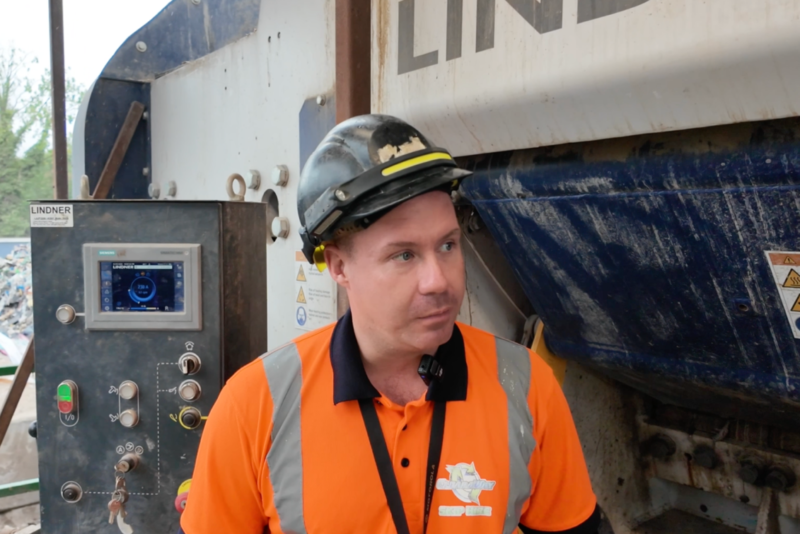
We recently caught up with Jordan Pearce, Site Manager at Clearaway Recycling, to discuss the benefits of electric shredding technology and how the Lindner Jupiter 3200 is performing on site.
His experience highlights why electric industrial shredders are worth considering for waste processing facilities looking to improve their operations.
Why Clearaway Recycling Moved from Diesel to Electric Shredding
Historically, Clearaway Recycling operated diesel-powered shredders as part of its waste processing operation.
While diesel shredders remain a practical solution for many applications, particularly where mobility is essential, they also introduce ongoing fuel costs, engine maintenance requirements and operational noise.
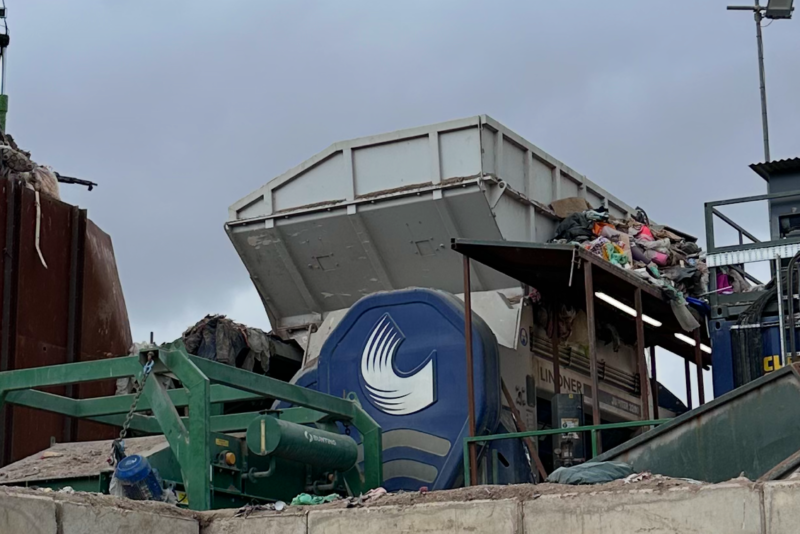
When Clearaway invested in its Lindner Jupiter 3200, the business moved towards a different approach: stationary, electrically powered primary shredding.
Jordan explains:
“So what one of the benefits of having this shredder is the fact that it’s completely electric. All the other shredders that we’ve had in the past have been diesel.”
For Clearaway, the benefits extend beyond simply changing the power source.
The electric Jupiter has become an important part of the company’s waste processing operation, providing a more efficient and quieter alternative to its previous diesel-powered equipment.
1. Reducing Dependence on Diesel Fuel
One of the most significant considerations when comparing electric and diesel waste shredders is the ongoing cost of energy.
Diesel-powered shredders consume fuel throughout their operating hours, meaning changes in diesel prices can directly affect processing costs.
For high-volume waste processing facilities, these costs can become substantial over time.
As Jordan points out:
“I mean, as you can see recently, diesel prices are absolutely huge.”
By operating an electric primary shredder, Clearaway has reduced its reliance on diesel fuel for this stage of its waste processing operation.
Instead of purchasing diesel to power the shredder, the business uses electricity supplied through its site infrastructure.
This provides an opportunity to manage energy costs differently, particularly where electricity supply arrangements and operating schedules can be optimised.
However, the financial benefits depend on several factors, including electricity tariffs, diesel prices, energy consumption and the volume of material processed.
Electric vs Diesel Shredders: Understanding Operating Costs
When comparing the two technologies, businesses should consider the total cost of ownership rather than simply the initial purchase price.
Important factors include:
- Fuel and electricity costs: The cost of powering the machine during normal operation.
- Maintenance requirements: Engine servicing, mechanical components and routine maintenance.
- Infrastructure investment: Electrical connections, substations and installation requirements.
- Machine availability: The impact of servicing and downtime on production.
- Cost per tonne: The overall expense of processing each tonne of material.
For facilities operating continuously or processing large quantities of waste, understanding these costs is essential when evaluating a new industrial shredder.
2. Improved Energy Efficiency with the Lindner Jupiter 3200
Energy efficiency is another important advantage of electric shredding technology.
The Lindner Jupiter 3200 is designed for demanding primary shredding applications, combining a robust single-shaft cutting system with an energy-efficient drive arrangement.
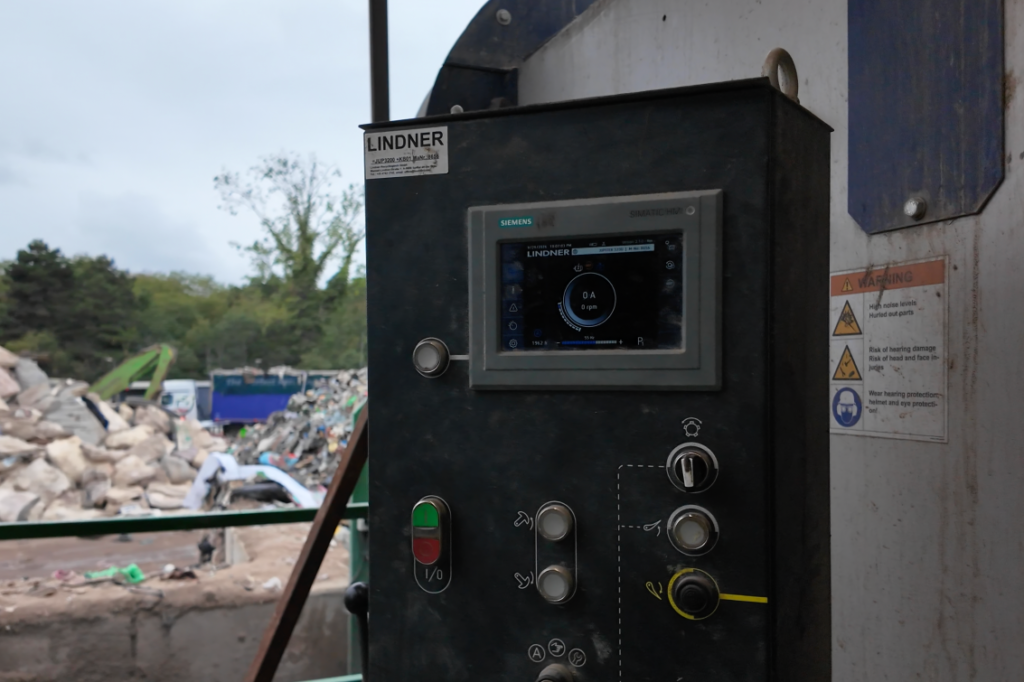
According to Lindner Recyclingtech, the Jupiter range incorporates a countershaft drive with flywheel energy storage.
This system stores and releases rotational energy depending on the load, helping the shredder maintain performance when processing challenging materials.
The design supports efficient energy use while delivering the power required for heavy-duty waste shredding.
For Clearaway, efficiency is one of the most noticeable benefits.
Jordan explains:
“Admittedly, there is an investment into having your own substation on site to power this, but it’s much more efficient.”
This is an important point for businesses considering the transition from diesel-powered to electrically driven shredders.
Although electrical infrastructure may require an initial investment, the longer-term operational benefits can make electric shredding an attractive option.
Why Energy Efficiency Matters in RDF Production
In Refuse Derived Fuel (RDF) production, primary shredding is one of the first stages of the waste processing operation.
Mixed waste must be reduced to a suitable size before moving through additional separation and processing equipment.
An efficient primary shredder helps maintain a consistent material flow into downstream processes.
The Lindner Jupiter 3200 is designed to deliver reliable primary shredding performance while supporting the continuous operation required by industrial waste processing facilities.
For operators, the objective is straightforward: process more material efficiently while controlling operating costs.
3. Quieter Shredding for a Better Working Environment
Noise is another important consideration for waste processing facilities.
Diesel-powered shredders generate noise from both the shredding process and their combustion engines.
Electric shredders eliminate the diesel engine as a source of noise, although the cutting process, hydraulic systems and surrounding equipment still generate sound.
For Clearaway, the difference has been noticeable.
Jordan explains that the Lindner Jupiter is:
“It’s quieter, and it just makes the whole process better.”
A quieter working environment can offer several potential advantages.
These include improved working conditions for operators, reduced engine-related noise and better integration into facilities where noise management is an important consideration.
For recycling businesses operating near commercial premises or residential areas, managing operational noise can also be an important part of site planning.
While individual noise levels depend on the machine, material and operating conditions, electric shredding technology offers an opportunity to reduce noise associated with diesel engines.
4. Investing in the Right Electrical Infrastructure
One of the key differences between diesel and electric waste shredders is the infrastructure required to operate them.
Diesel shredders typically offer greater flexibility because they can operate without a permanent high-capacity electrical connection.
Stationary electric shredders, however, require a suitable power supply.
For Clearaway, this meant investing in its own on-site substation.
As Jordan acknowledges, this was an important part of the decision.
However, the investment has enabled Clearaway to operate its Lindner Jupiter 3200 as part of a permanent waste processing installation.
What Should Businesses Consider Before Installing an Electric Shredder?
Before investing in an electric industrial shredder, waste processing businesses should evaluate several factors.
Electrical capacity: Is sufficient power available to operate the shredder and associated processing equipment?
Site infrastructure: Will a new substation, transformer or electrical connection be required?
Installation requirements: How will the shredder integrate into the existing waste processing line?
Future expansion: Can the electrical infrastructure support additional equipment or increased processing capacity?
Long-term operating costs: How do electricity costs compare with diesel consumption over the expected working life of the machine?
Working with an experienced machinery supplier can help businesses assess these requirements before committing to an installation.
5. The Lindner Jupiter 3200: Built for Demanding Primary Shredding
The Lindner Jupiter range is designed for heavy-duty stationary primary shredding applications.
Available in several configurations, including the Jupiter 3200, the range is engineered to process challenging waste streams while delivering consistent material reduction.
Lindner identifies several important features of the Jupiter series.
Energy-Efficient Countershaft Drive
The countershaft drive incorporates flywheel energy storage, helping the machine manage variations in load and maintain throughput.
Heavy-Duty Single-Shaft Cutting System
The Jupiter features a robust cutting system with four-times-usable pointed knives, designed to withstand demanding materials.
Internal Pusher System
The internal pusher supports consistent material feeding into the cutting system, helping maintain continuous shredding.
Flexible Output Sizes
Interchangeable screens allow operators to adapt the output particle size to their processing requirements.
Maintenance Accessibility
Hydraulically operated access points help simplify maintenance and the removal of unsuitable materials.
These features make the Jupiter suitable for applications including commercial and industrial waste, municipal solid waste and waste wood processing.
6. Supporting High-Volume Waste Processing at Clearaway Recycling
Clearaway Recycling predominantly produces RDF for the export market and supplies material to energy-from-waste facilities within the UK.
The company processes approximately 1,800 tonnes of waste every week, with the Lindner Jupiter playing a central role in the operation.
As the primary shredder, the Jupiter is responsible for the initial size reduction of incoming waste before the material moves through subsequent separation and processing stages.
Clearaway has previously reported throughput reaching 50 – 60 tonnes per hour, depending on the waste stream being processed.
For a facility operating at this scale, the performance of the primary shredder is critical.
Reliable material processing, consistent throughput and effective energy management all contribute to the wider operation.
By moving from diesel-powered shredders to the electric Lindner Jupiter 3200, Clearaway has introduced a machine that Jordan describes as more efficient and quieter than its previous equipment.
The company is also planning further expansion, with a new building designed around the existing Lindner Jupiter.
This demonstrates how the machine has become an integral part of Clearaway’s long-term processing strategy.
7. Are Electric Waste Shredders Better Than Diesel Shredders?
The answer depends on the application.
Both electric and diesel-powered shredders have advantages, and selecting the right machine requires an understanding of the material being processed, site requirements and operational objectives.
Benefits of Electric Waste Shredders
Electric shredders can offer:
- Reduced reliance on diesel fuel.
- Potentially lower energy costs per tonne.
- Reduced engine-related noise.
- No on-site exhaust emissions from a diesel engine.
- Reduced requirements for diesel engine servicing.
- Integration into permanent waste processing facilities.
- Opportunities for efficient continuous operation.
Benefits of Diesel Waste Shredders
Diesel-powered shredders remain useful for applications requiring:
- Mobile shredding operations.
- Flexible deployment between different sites.
- Operation where suitable electrical infrastructure is unavailable.
- Temporary waste processing projects.
- Independent operation without a permanent grid connection.
For businesses operating permanent, high-volume waste processing facilities, an electric stationary shredder such as the Lindner Jupiter 3200 may offer significant operational advantages.
However, any financial or environmental comparison should account for site-specific energy consumption, electricity generation, infrastructure costs and operating requirements.
8. How Mach Tech Supports Electric Shredder Installations
Investing in an electric primary shredder involves more than selecting the right machine.
Businesses also need to consider installation, integration, commissioning and ongoing maintenance.
Mach Tech works with waste management and recycling businesses across the UK, supplying and supporting Lindner shredding equipment.
From helping customers identify the right shredder for their waste streams to supporting installation and providing ongoing aftersales assistance, Mach Tech understands the demands placed on industrial recycling equipment.
For Clearaway Recycling, the relationship has included the supply and installation of the Lindner Jupiter alongside First Grade, as well as ongoing parts and technical support.
As more waste processing businesses assess their energy consumption and operational efficiency, electric shredding technology presents an important option for future investment.
Conclusion: Why Clearaway Recycling Chose Electric Shredding
Clearaway Recycling’s experience demonstrates how electric primary shredding can benefit a high-volume waste processing operation.
For Site Manager Jordan Pearce, the advantages of the Lindner Jupiter 3200 are clear.
The machine has replaced the company’s previous reliance on diesel-powered shredders for primary processing, delivering a quieter and, in Jordan’s experience, more efficient operation.
Although the transition required investment in an on-site substation, Clearaway sees the benefits in its day-to-day operation.
As Jordan summarises:
“It’s much more efficient. It’s quieter, and it just makes the whole process better.”
For waste management businesses evaluating their next industrial shredder, the Clearaway project highlights an important consideration.
The right investment isn’t always simply about how much material a shredder can process. It’s also about how efficiently, reliably and economically it can process that material over its working life.
Considering an Electric Lindner Shredder for Your Waste Processing Facility?
Whether you’re looking to replace an existing diesel shredder, improve energy efficiency or develop a new RDF or SRF processing facility, Mach Tech can help you explore the available options.
Our team can advise on Lindner primary and secondary shredding solutions, equipment selection, installation requirements and ongoing support.
Speak to the Mach Tech team about your waste shredding requirements.
📞 01706 838246
✉️ sales@machtechservices.com
🌐 https://machtechservices.com/
Frequently Asked Questions About Electric Waste Shredders
Are electric waste shredders cheaper to run than diesel shredders?
Electric waste shredders can be cheaper to operate, depending on electricity tariffs, diesel prices, machine efficiency and throughput. Businesses should compare the energy cost per tonne alongside maintenance, infrastructure and equipment costs to understand the potential savings.
What are the benefits of an electric primary shredder?
Electric primary shredders can offer reduced diesel consumption, lower engine-related noise, fewer diesel engine maintenance requirements and improved integration into permanent waste processing facilities.
Is the Lindner Jupiter 3200 electrically powered?
Yes. The Lindner Jupiter 3200 is a stationary, electrically driven, single-shaft primary shredder designed for demanding waste processing applications.
What materials can the Lindner Jupiter process?
The Lindner Jupiter range is designed for various materials, including commercial and industrial waste, municipal solid waste, waste wood and other materials requiring primary size reduction. Suitability depends on the specific material and machine configuration.
Do electric waste shredders require a substation?
Not every installation requires a dedicated substation. The electrical infrastructure needed depends on the shredder’s power requirements and the capacity of the existing site supply. Clearaway Recycling invested in an on-site substation to operate its Lindner Jupiter.
Are electric shredders quieter than diesel shredders?
Electric shredders eliminate diesel engine noise, potentially reducing overall operating noise. However, the shredding process itself still generates sound. Jordan Pearce of Clearaway Recycling reports that the company’s electric Lindner Jupiter is quieter than its previous diesel-powered shredders.
Can the Lindner Jupiter be used for RDF production?
Yes. The Lindner Jupiter is designed for primary shredding applications and can form part of an RDF production line. At Clearaway Recycling, the Jupiter 3200 performs the initial size reduction stage before material passes through downstream processing equipment.
How much waste can the Lindner Jupiter 3200 process per hour?
Throughput depends on material composition, feed conditions, screen configuration and other operational factors. Clearaway Recycling has reported processing rates of up to 50 – 60 tonnes per hour using its Lindner Jupiter, depending on the incoming waste stream.