From Waste to Resource: How a Modern Waste Processing Plant Maximises Recycling and RDF Production
Industrial shredding, advanced separation technology and effective material recovery are transforming how waste is processed, recycled and converted into energy.
Modern waste processing facilities play a vital role in reducing reliance on landfill, recovering valuable recyclable materials and producing refuse-derived fuel (RDF) for energy recovery.
But what actually happens to waste once it arrives at a processing facility?
From the initial shredding stage using a Lindner Jupiter industrial shredder to magnetic separation, ballistic screening, manual sorting and RDF production, each stage of the process is designed to maximise material recovery and improve operational efficiency.
In this article, Mach Tech Services takes a closer look at the waste processing journey, exploring the machinery, technology and engineering behind an effective recycling operation.
What Happens Inside a Modern Waste Processing Plant?
A modern waste processing plant uses a combination of mechanical equipment and manual sorting to separate incoming waste into recyclable materials, residual fractions and materials suitable for energy recovery.
The process typically involves several interconnected stages:
- Industrial waste shredding and size reduction.
- Magnetic separation to recover ferrous metals.
- Ballistic separation into 2D, 3D and mid-fractions.
- Screening and further material separation.
- Manual sorting to recover recyclable materials.
- RDF production, baling and energy recovery.
Each stage contributes to the overall performance of the plant, helping operators recover useful materials and reduce the quantity of waste requiring disposal.
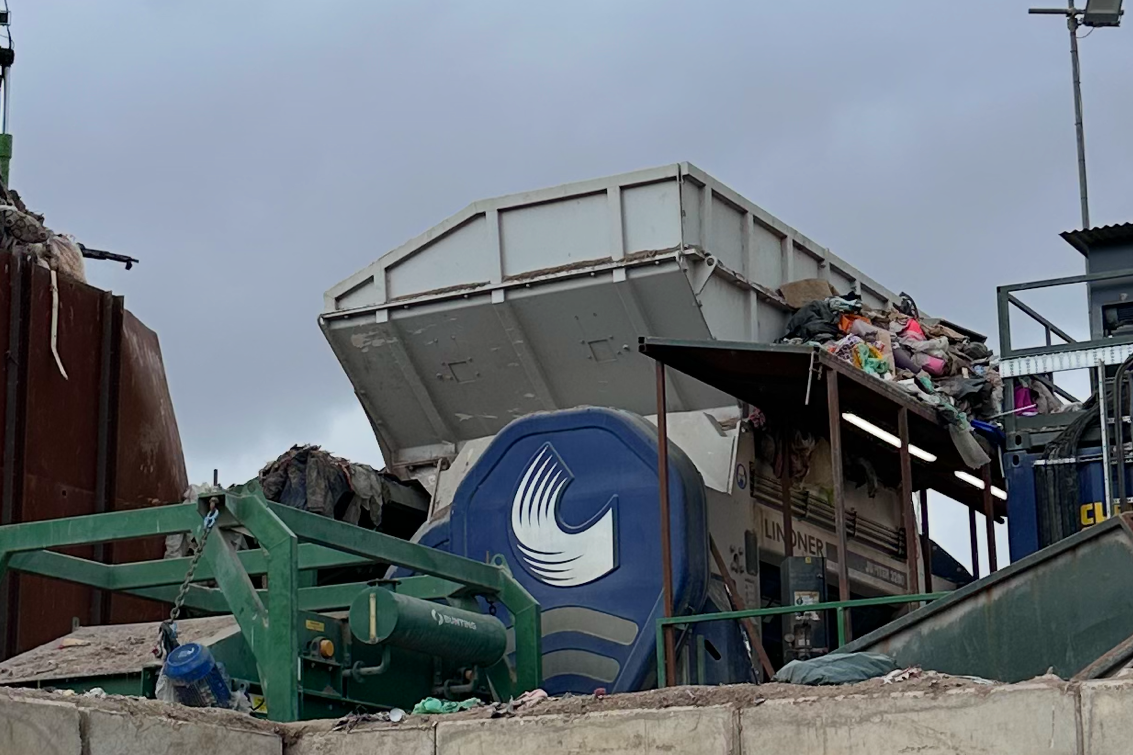
Stage 1: Industrial Waste Shredding with the Lindner Jupiter
The waste processing journey begins with industrial shredding.
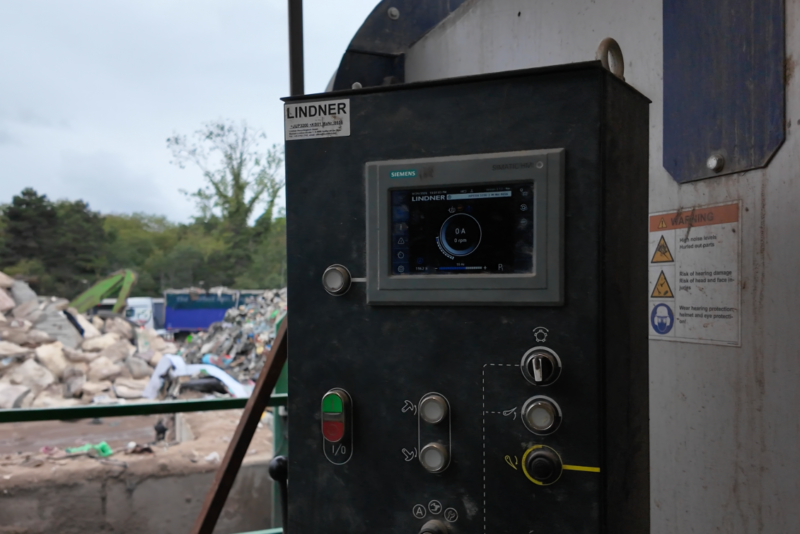
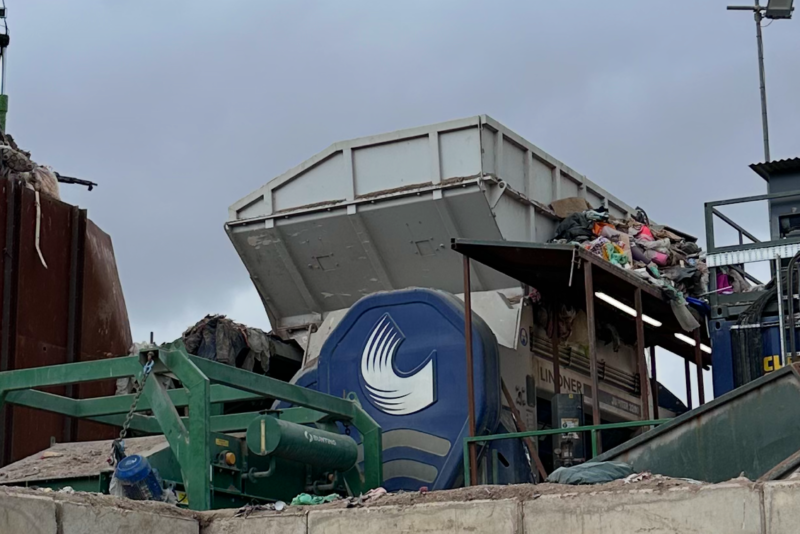
At the facility featured in our video, incoming waste is loaded into a Lindner Jupiter shredder, where the material is reduced to approximately 150 – 200mm.
Industrial shredders are essential in many modern waste processing and recycling operations because they prepare mixed and bulky waste for downstream separation.
Effective size reduction helps to:
- Create a more manageable waste stream.
- Improve material handling through conveyors and screening equipment.
- Prepare waste for mechanical separation.
- Support more consistent downstream processing.
- Reduce the size of bulky materials before further treatment.
The Lindner Jupiter is designed for demanding waste processing applications, making it a suitable choice for operations requiring robust primary shredding equipment.
However, the shredder is only one part of a much larger processing system.
The reliability and performance of the downstream equipment are equally important in maintaining consistent throughput and material recovery.
Stage 2: Magnetic Separation and Ferrous Metal Recovery
Following the initial shredding stage, the processed waste travels along a conveyor belt and passes beneath an industrial electromagnet.
The electromagnet attracts and removes ferrous metals, such as steel and iron, from the moving waste stream.
These recovered metals are collected separately and directed towards further recycling.
Magnetic separation provides several important benefits within a waste processing facility, including recovering valuable recyclable metals, reducing metal contamination in downstream waste streams and supporting the efficiency of subsequent separation stages.
Removing ferrous metals early in the process also helps ensure that materials are directed towards the most appropriate recovery routes.
Stage 3: Ballistic Separation of 2D, 3D and Mid-Fraction Waste
Once the initial ferrous metal recovery stage is complete, the remaining material travels along an inclined conveyor to a ballistic separator.
A ballistic separator uses the physical characteristics of the waste to divide it into different material streams.
At this facility, the system separates waste into three main fractions.
2D Fraction: Lightweight, Flat Materials
The 2D fraction typically includes flatter, more flexible materials such as films, paper-like materials and other lightweight waste.
In this particular processing operation, the 2D fraction is directed towards refuse-derived fuel production.
3D Fraction: Rigid and Bulkier Materials
The 3D fraction generally contains more rigid, rolling or bulky materials, including plastics, wood and various recyclable objects.
This material travels along a dedicated conveyor to a manual sorting area, where operatives recover recyclable materials.
Mid-Fraction: Materials Requiring Further Processing
The remaining fraction is directed towards additional screening and separation equipment.
By dividing waste into these different streams, the ballistic separator allows the facility to apply more targeted treatment processes to each material type.
This helps improve the effectiveness of recycling and recovery operations.
Stage 4: Flip-Flow Screening, Air Separation and Eddy Current Technology
The heavier material stream from the ballistic separator travels to a flip-flow screening system.
At the featured facility, the flip-flow screen is used to separate fines at approximately 10mm.
Flip-flow screens are commonly used in demanding recycling applications, particularly where material may be difficult to screen using conventional methods.
After screening, the remaining material passes through additional recovery equipment, including:
Air knife separation
Air separation uses controlled airflow to separate lighter materials from heavier fractions based on their aerodynamic properties.
Additional magnetic separation
A further magnet recovers ferrous metals that remain within the processed material.
Eddy current separation
Eddy current separators are used to recover non-ferrous metals, particularly aluminium, from mixed waste streams.
Together, these technologies help improve material separation and recover additional recyclable resources before residual materials move to their next processing stage.
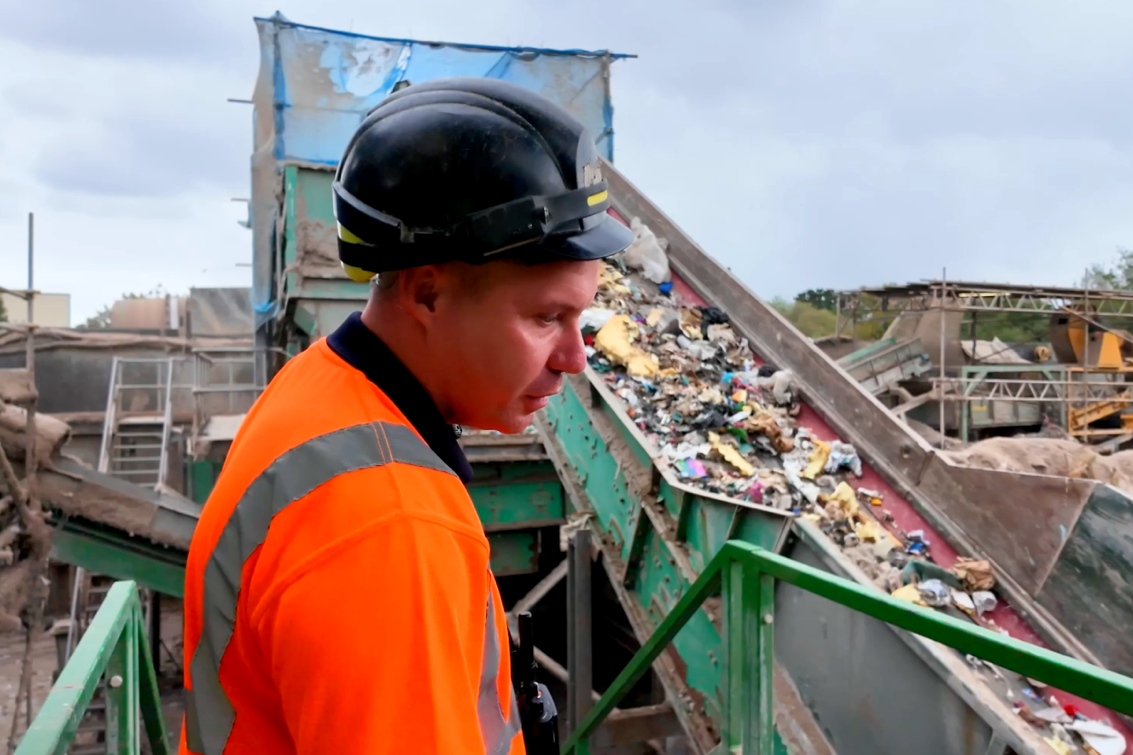
Stage 5: Manual Sorting and the Recovery of Recyclable Materials
Although automated waste processing technology has developed significantly, manual sorting remains an important part of many recycling facilities.
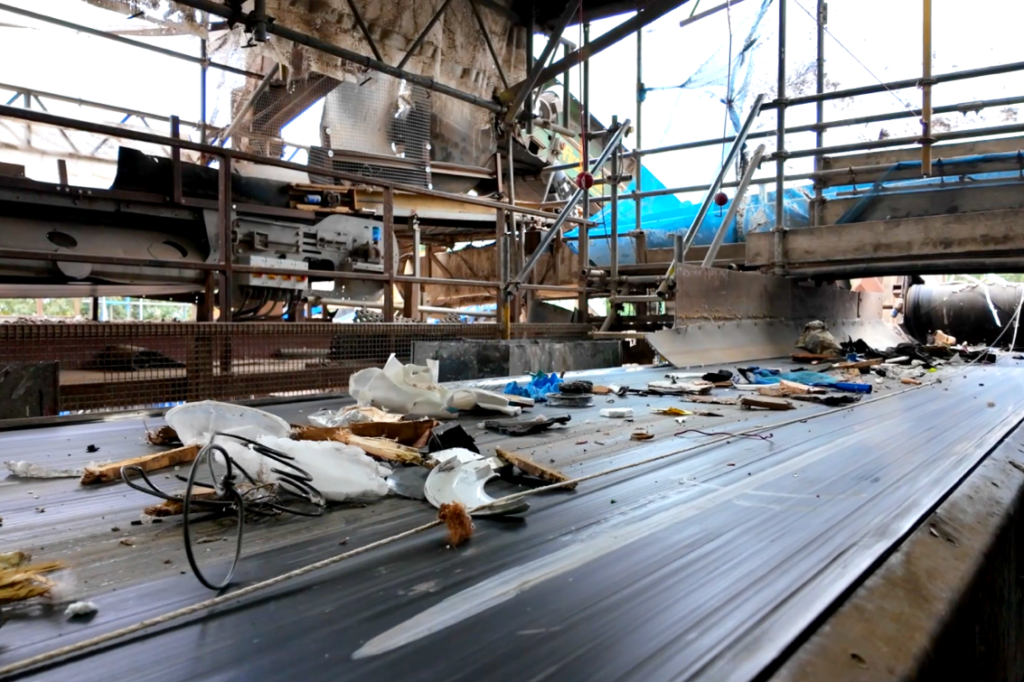
At this plant, the 3D fraction travels along an inclined conveyor and onto a dedicated picking belt.
Experienced operatives manually identify and remove different recyclable materials, including:
- Wood and timber.
- Rigid plastics.
- Mixed rigid plastics.
- uPVC.
- Ferrous and non-ferrous metals.
- Aluminium.
- Hardcore and other recoverable materials.
These materials are separated for further recycling or appropriate processing.
The aim is to prevent recoverable materials from unnecessarily entering the RDF stream or being sent to landfill.
This stage demonstrates the importance of combining effective machinery with skilled operators to achieve improved material recovery.
For recycling businesses, recovering additional materials can also create opportunities to generate value from waste streams that might otherwise be discarded.
Stage 6: Refuse-Derived Fuel (RDF) Production and Energy Recovery
Following separation, the 2D fraction is directed towards RDF production.
Refuse-derived fuel (RDF) is produced from suitable residual waste materials and can be used as a fuel in specialist energy recovery facilities.
At the featured plant, the RDF is baled before being exported to Sweden and Germany.
The material is delivered to R1 energy recovery facilities, where it is used to generate electricity and supply district heating systems.
What is an R1 Energy Recovery Facility?
An R1 facility is a municipal waste incineration installation that meets the applicable energy-efficiency criteria for classification as an energy recovery operation under waste legislation.
These facilities recover useful energy from suitable waste materials, potentially providing electricity and heat for homes, businesses and local communities.
District heating systems distribute heat from a central energy source to multiple buildings through a network of insulated pipes.
By using suitable residual waste for energy recovery, facilities can reduce reliance on landfill disposal while making productive use of materials that remain after recycling processes.
Importantly, RDF production complements material recovery rather than replacing recycling.
Why Efficient Waste Processing Equipment Matters
A modern waste processing plant relies on multiple machines working together as one integrated system.
Industrial shredders, conveyors, magnetic separators, ballistic separators, flip-flow screens and eddy current separators all contribute to the overall operation.
If one critical piece of machinery experiences an unexpected failure, the impact can extend across the processing line.
For operators, this can mean reduced throughput, increased downtime, higher maintenance costs and interruptions to material recovery.
This is why preventative maintenance, equipment reliability and specialist engineering support are essential considerations for waste and recycling businesses.
The Importance of Industrial Shredder Maintenance
Industrial shredders operate in demanding conditions, often processing abrasive, bulky and unpredictable materials.
Regular inspection and maintenance help operators identify wear, maintain equipment performance and reduce the risk of unexpected breakdowns.
Key considerations include monitoring cutting components, checking mechanical and hydraulic systems, inspecting conveyor equipment and planning maintenance around operational requirements.
A proactive approach to machinery maintenance can support equipment longevity and help maintain consistent processing performance.
Supporting the Waste and Recycling Industry with Mach Tech Services
At Mach Tech Services, we understand the demanding environments in which waste processing and recycling machinery operates.
From industrial shredders and material handling equipment to the wider engineering requirements of a processing facility, reliable machinery is fundamental to keeping operations productive.
The facility featured in this article demonstrates how industrial shredding, separation technology and skilled material recovery work together to maximise the value extracted from incoming waste.
As the recycling industry continues to evolve, maintaining efficient equipment and dependable processing systems will remain essential for businesses looking to improve operational performance.
Frequently Asked Questions About Waste Processing and Industrial Shredding
What is an industrial waste shredder?
An industrial waste shredder is a heavy-duty machine designed to reduce the size of bulky, mixed or difficult-to-process materials. Industrial shredders are commonly used in waste management, recycling, material recovery and RDF production facilities to prepare waste for further processing.
What is a Lindner Jupiter shredder used for?
The Lindner Jupiter is an industrial primary shredder used for size reduction in demanding waste processing applications. It can prepare suitable waste materials for downstream equipment such as conveyors, screens and separation systems. The final particle size depends on the machine configuration and operating requirements.
What is a ballistic separator in waste recycling?
A ballistic separator is a mechanical separation machine that divides mixed waste into different fractions based on physical characteristics such as shape, size and movement. It typically separates flat 2D materials, rigid 3D materials and a screened fraction, allowing each stream to undergo further processing.
What is the difference between ferrous and non-ferrous metal separation?
Ferrous metals, such as iron and steel, can be recovered using magnetic separation equipment. Non-ferrous metals, including aluminium, are commonly recovered using eddy current separators. Both technologies help improve metal recovery within recycling facilities.
What is a flip-flow screen used for?
A flip-flow screen separates materials according to particle size using flexible screening surfaces. It is particularly useful for challenging waste streams where conventional screening equipment may experience clogging or blinding. In the featured facility, the screen separates fines at approximately 10mm.
What is refuse-derived fuel (RDF)?
Refuse-derived fuel is a fuel produced from suitable residual waste materials after processing and separation. RDF can be used in specialist energy recovery facilities to generate electricity and heat, providing an alternative treatment route for certain non-recyclable waste materials.
What is the difference between RDF and SRF?
RDF is a broad term for fuel derived from processed waste. Solid recovered fuel (SRF) is a more specifically classified fuel produced from non-hazardous waste and characterised according to applicable fuel quality standards, such as EN ISO 21640. SRF generally requires more defined fuel specifications and quality controls.
Why is manual sorting still used in modern recycling facilities?
Manual sorting allows trained operatives to identify and recover materials that may not have been removed by automated equipment. It can improve the quality of recovered material streams and reduce contamination in downstream products.
How does waste processing reduce landfill?
Waste processing reduces landfill dependency by separating materials for recycling and directing suitable residual waste towards other recovery routes, including energy recovery. The amount diverted from landfill depends on the composition of the incoming waste and the effectiveness of the processing operation.
Why is preventative maintenance important for industrial shredders?
Preventative maintenance helps identify worn components, reduce the risk of unexpected machinery failures and support consistent equipment performance. Regular servicing and inspection are particularly important in demanding waste processing environments where machinery experiences continuous mechanical stress and abrasive materials.
Conclusion: Turning Waste into Valuable Resources
Modern waste processing is about much more than shredding and disposal.
It is about using the right combination of technology, engineering and operational expertise to recover valuable materials and make better use of residual waste.
From the Lindner Jupiter industrial shredder to ballistic separation, magnetic recovery, screening, manual sorting and RDF production, each stage of the featured facility plays an important role.
By recovering recyclable materials and preparing suitable residual waste for energy recovery, facilities can contribute to a more resource-efficient waste management industry.
The real value of a waste processing plant is not simply in how much material it processes, but in how effectively it recovers resources.
Need Support with Your Waste Processing Equipment?
Mach Tech Services understands the importance of reliable machinery in demanding waste and recycling environments.
Whether you are looking to discuss industrial shredding equipment, machinery maintenance or engineering support for your waste processing operation, our team is here to help.
Contact Mach Tech Services today to discuss your equipment and operational requirements.