Energy efficiency is becoming increasingly important across the waste processing and alternative fuels industries.
For operators processing difficult materials such as heavy, wet or tough waste, reducing energy consumption while maintaining high shredding performance can have a significant impact on operating costs.
That’s where the Lindner DEX Drive comes in.
Lindner’s innovative Dynamic Energy Exchange (DEX) system was developed for asynchronous twin-shaft shredders and was recognised with the Alternative Fuels Innovation of the Year award at the Global CemFuels Conference and Exhibition.
The technology was first introduced on the Lindner Atlas 5500 AS, bringing a new approach to energy management in twin-shaft shredding.
What is the Lindner DEX Drive?
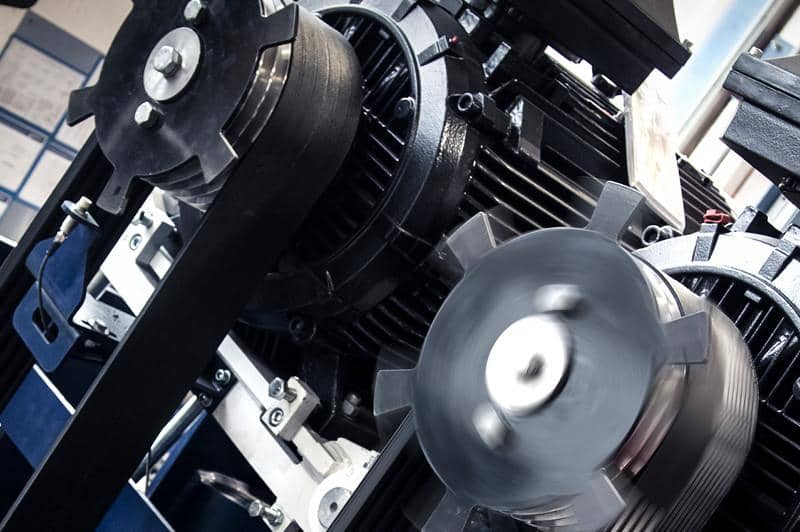
The Lindner DEX Drive is a purely electromechanical drive system designed for twin-shaft industrial shredders.
At the heart of the system is Lindner’s Dynamic Energy Exchange technology.
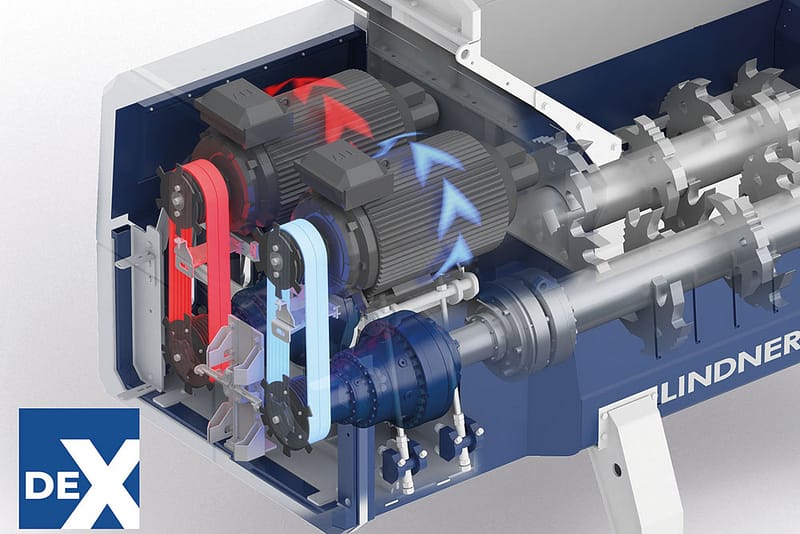
Rather than allowing kinetic energy generated during the braking of one shaft to be lost as heat, the DEX system recovers that energy and transfers it to the second shaft.
This creates a more efficient way of managing energy within the shredding process.
The result is a drive system designed to keep the shredder operating close to its optimum operating point while responding quickly to changes in material conditions.
How does Dynamic Energy Exchange work?
Twin-shaft shredders rely on two counter-rotating shafts to process material.
When particularly difficult material enters the machine, the shafts may need to slow down, stop or reverse direction.
With conventional systems, energy generated during braking can be dissipated as heat.
The DEX system takes a different approach.
Kinetic energy generated by one shaft during braking is recovered and transferred to the other shaft.
Instead of wasting this energy, the system puts it back into the shredding process.
This helps improve overall energy efficiency while allowing the machine to react quickly to changing feedstock.
Up to 40% less energy consumption
One of the biggest advantages of the Lindner DEX Drive is its potential energy saving.
According to Lindner, the drive unit can consume up to 40% less energy compared with conventional drive systems.
For high-volume waste processing operations, energy consumption can represent a significant proportion of operating costs.
Reducing the energy required to process each tonne of material can therefore have a direct impact on the economics of shredding.
This makes energy-efficient shredding technology particularly relevant to businesses producing:
- Refuse Derived Fuel (RDF)
- Solid Recovered Fuel (SRF)
- Alternative fuels
- Processed commercial waste
- Industrial waste
- Cement kiln fuels
Faster shaft reversal
Energy efficiency isn’t the only advantage of the DEX system.
The technology allows the direction of the shredding shafts to change up to three times faster than with conventional drives.
This is particularly valuable when processing difficult materials.
Waste streams can contain unexpected objects or materials that cause the shafts to slow down or become overloaded.
Rapid shaft reversal can help the shredder respond to these conditions quickly.
For operators, that can contribute to improved:
- Machine protection
- Material flow
- Throughput
- Operational reliability
- Shredding performance
Designed for tough and wet materials
Industrial waste is rarely predictable.
A shredder may encounter heavy, bulky, wet or difficult-to-process material during normal operation.
The DEX system was specifically designed to respond effectively to these challenging conditions.
Its rapid shaft reversal and intelligent energy management make the technology particularly suitable for demanding applications where material characteristics can change quickly.
This is especially relevant to alternative fuel production, where waste streams can contain a broad mixture of materials.
The Lindner Atlas 5500 AS
The DEX Drive was first used in the Lindner Atlas 5500 AS.
The Atlas is a powerful twin-shaft primary shredder designed for demanding waste processing applications.
Combining the Atlas platform with DEX technology created a shredding system designed around both high performance and energy efficiency.
The technology is particularly relevant to applications where large volumes of waste need to be processed reliably while controlling energy consumption.
No hydraulic components
Another important feature of the Lindner DEX Drive is its purely electromechanical design.
The system does not rely on hydraulic components.
According to Lindner, this helps reduce maintenance requirements because there are fewer hydraulic components that need servicing.
For industrial waste processors, maintenance requirements can have a significant impact on operating costs and machine availability.
Reducing system complexity can therefore provide an additional operational advantage.
Why energy efficiency matters in waste shredding
Energy is one of the major operating costs associated with industrial shredding.
Large shredders can consume substantial amounts of electricity, particularly when processing high volumes of heavy material.
As waste processors look for ways to improve efficiency and reduce their environmental impact, energy-efficient shredding technology is becoming increasingly important.
A reduction in energy consumption can potentially provide benefits including:
- Lower electricity costs
- Reduced cost per tonne
- Improved operational efficiency
- Reduced energy waste
- Lower overall processing costs
- Improved plant sustainability
For high-throughput facilities, even relatively small improvements in energy efficiency can become significant over thousands of operating hours.
Why is kinetic energy recovery important?
Kinetic energy is the energy associated with movement.
Inside a twin-shaft shredder, the shafts are constantly accelerating, slowing and changing direction as they respond to the material being processed.
Traditional systems can lose some of this energy as heat during braking.
The DEX system instead recovers kinetic energy and transfers it between the two shafts.
This means energy that would otherwise be wasted can be reused within the shredding process.
It’s a smart approach to energy management that helps the machine operate more efficiently.
The Global CemFuels Innovation Award
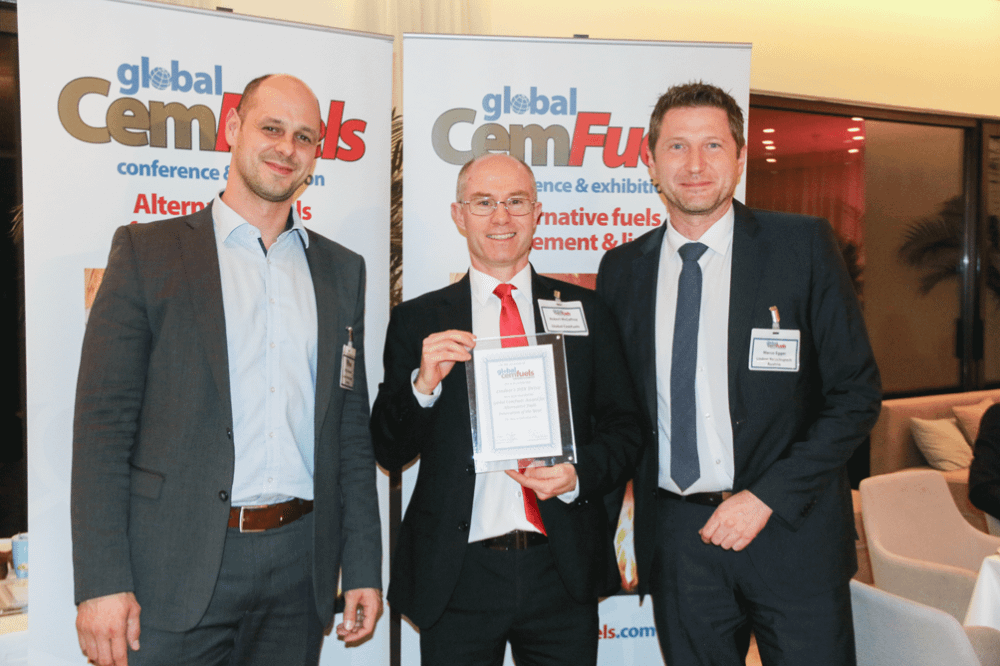
The technology’s innovative approach was recognised internationally when Lindner’s DEX Drive won the Alternative Fuels Innovation of the Year award at the Global CemFuels Conference and Exhibition in Paphos, Cyprus.
The award recognised the technology’s contribution to alternative fuel processing and its innovative approach to energy management in twin-shaft shredders.
It was also the sixth time Lindner had received the coveted award from the cement and lime industry’s leading alternative fuels event.
What is the Global CemFuels Conference?
The Global CemFuels Conference and Exhibition focuses specifically on alternative fuels for the cement and lime industries.
The event brings together specialists from across the global alternative fuels sector.
For shredding technology manufacturers such as Lindner, the event provides an opportunity to demonstrate technologies designed to improve the processing of waste into suitable alternative fuels.
The recognition of the DEX Drive highlights the increasing importance of efficient shredding technology within the alternative fuels sector.
DEX Drive and alternative fuel production
The cement industry is one of the major users of alternative fuels.
Suitable waste can be processed into RDF or SRF and used as an alternative to conventional fossil fuels in appropriate cement manufacturing applications.
This creates an important connection between:
Waste management → Shredding → RDF/SRF production → Alternative fuels → Cement manufacturing
The efficiency of the initial shredding process can therefore influence the overall economics of the alternative fuel production process.
Benefits of Lindner DEX technology
The DEX Drive offers several potential benefits for demanding shredding applications.
Energy efficiency
The DEX system is designed to recover and reuse kinetic energy, with Lindner reporting energy consumption reductions of up to 40%.
Dynamic shaft control
The system allows the shaft direction to change significantly faster than conventional drives.
Improved response to difficult materials
Rapid reaction to heavy, wet or tough feedstock can help maintain efficient shredding.
Reduced maintenance
The purely electromechanical design eliminates hydraulic components from the drive system.
Alternative fuel applications
The technology is particularly relevant to waste processing applications where RDF and SRF are produced for energy recovery.
Intelligent energy management
Rather than allowing kinetic energy generated during braking to be wasted, DEX transfers it to the other shaft.
Why choose an energy-efficient industrial shredder?
Choosing a shredder isn’t simply about maximum throughput.
The overall cost of ownership is equally important.
A machine needs to balance:
- Throughput
- Energy consumption
- Maintenance
- Wear
- Reliability
- Output quality
- Capital cost
A machine that processes large volumes but consumes excessive energy may not necessarily deliver the lowest cost per tonne.
Energy-efficient technology such as DEX is designed to address this wider picture.
The future of industrial shredding
As recycling businesses and alternative fuel producers look for ways to reduce operating costs, energy efficiency is likely to become an increasingly important consideration when selecting shredding equipment.
Technology such as the Lindner DEX Drive demonstrates how advances in drive systems can improve more than just energy consumption.
By combining energy recovery, rapid shaft reversal and electromechanical drive technology, the system aims to improve the overall performance of the shredding process.
For waste processors looking to make the most of every tonne, every kilowatt and every hour of production, this approach can offer significant advantages.
Frequently Asked Questions
What is the Lindner DEX Drive?
The Lindner DEX Drive is a purely electromechanical drive system for twin-shaft shredders. Its Dynamic Energy Exchange system recovers kinetic energy from one shaft during braking and transfers it to the other shaft.
What does DEX stand for?
DEX stands for Dynamic Energy Exchange.
How does the Lindner DEX Drive save energy?
The system recovers kinetic energy generated when one shredding shaft brakes and transfers it to the second shaft rather than allowing that energy to be lost as heat. Lindner reports energy consumption reductions of up to 40%.
What is the Lindner Atlas 5500 AS?
The Atlas 5500 AS is a twin-shaft industrial shredder. It was the first Lindner shredder to use the DEX Drive technology.
What materials can a twin-shaft shredder process?
Twin-shaft shredders can be used for a wide range of demanding waste streams. The appropriate machine configuration depends on the material, throughput requirements and desired output.
Is the DEX Drive suitable for RDF and SRF production?
Yes. The technology was recognised by the Global CemFuels Awards in the alternative fuels category and is particularly relevant to demanding waste processing and alternative fuel applications.
How quickly can the DEX Drive reverse the shafts?
The DEX system allows shaft direction to change up to three times faster than conventional drives, according to Lindner. This is particularly useful when processing tough, wet or heavy materials.
Does the DEX Drive use hydraulics?
No. The DEX Drive is a purely electromechanical system and does not use hydraulic components in its drive system. Lindner states that this helps reduce maintenance requirements.
What are the benefits of an energy-efficient shredder?
Energy-efficient shredders can help reduce electricity consumption and processing costs while improving overall plant efficiency. The actual savings depend on the material, operating conditions and machine configuration.
Who supplies Lindner shredders in the UK and Ireland?
Mach Tech Services is the sole UK and Ireland distributor for Lindner Recyclingtech shredders, providing machine sales, installation, servicing, repairs, spare parts and engineering support.
Looking for an energy-efficient industrial shredder?
If you’re processing large volumes of waste, RDF, SRF or alternative fuels, choosing an efficient shredding system can make a significant difference to your operating costs.
Mach Tech Services can assess your material, throughput requirements and application before recommending the most suitable Lindner twin-shaft shredder.
Find Your Ideal Shredding Solution, Speak to Our Experts
Looking for the right setup for your operation or need guidance on applications, throughput or particle size? Our specialists are here to help.
Whether you’re exploring the capabilities of the Lindner range or comparing shredding solutions, we’ll work with you to identify the best fit for your needs.
Call us today on 01706 838 246, or get in touch for expert advice, pricing, or to arrange a site visit.
You can also use the form to send your enquiry and a member of our team will be in touch shortly.
"*" indicates required fields