From Trash to Treasure: Turning Waste Plastic Film Into New Products
Plastic waste is one of the biggest challenges facing the recycling industry, but with the right technology, discarded materials can become valuable secondary resources.
A great example can be found at Daly Plastics and Caroda Polymer Recovery in Zutphen, Netherlands, where agricultural and packaging films are processed and transformed into recycled plastic granulate.
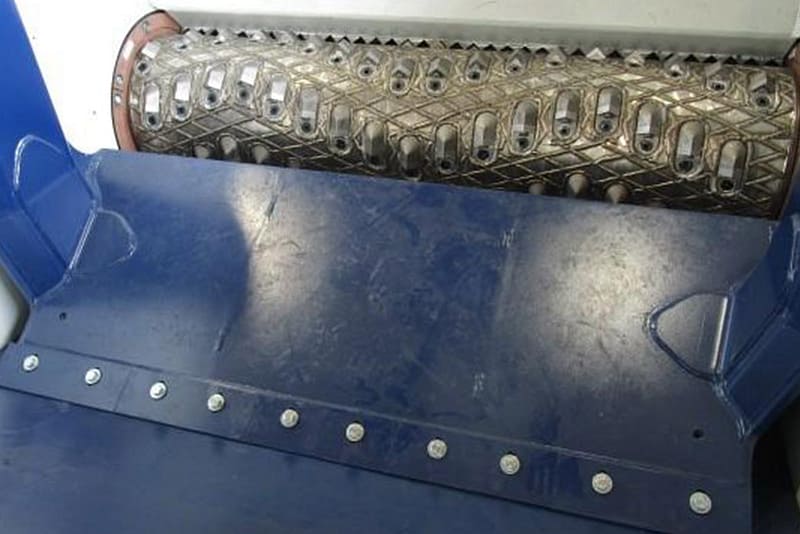
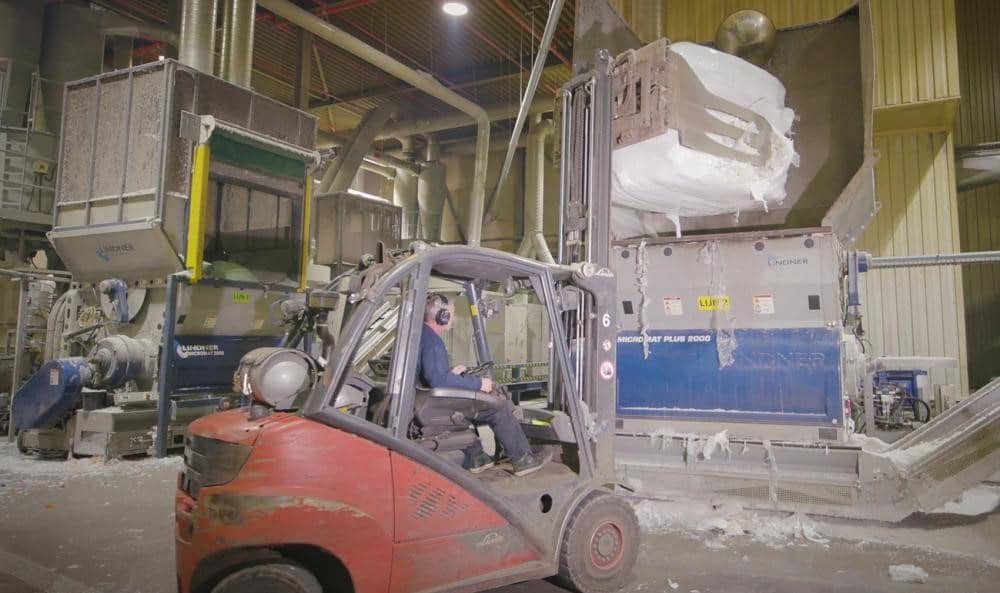
The operation uses a combination of Lindner Jupiter 2200 and Lindner Micromat 2000 shredders to achieve the precise particle sizes required for sorting, cleaning and extrusion.
The result is a sophisticated plastics recycling process that takes used film and turns it into high-quality recycled polyethylene granulate suitable for manufacturing new plastic products.
This is exactly what modern plastic film recycling should achieve:
Waste Plastic → Shredding → Sorting → Cleaning → Extrusion → Recycled Granulate → New Products
From Agricultural Film to Recycled Plastic
Daly Plastics has been involved in plastic waste collection and processing for decades.
The company expanded into plastics recycling in 2013, establishing its own recovery facility for agricultural and packaging films. Today, Caroda Polymer Recovery operates four granulation lines at the Zutphen site.
The scale of the operation is significant.
Agricultural film is collected from more than 2,500 farmers across the Benelux countries and northern Germany, with approximately 64,000 metric tonnes of used film arriving for processing each year.
The majority of this material is recycled into reusable polyethylene granulate.
That makes efficient and reliable plastic film recycling equipment essential.
Why Shredding Is So Important in Plastic Recycling
Shredding is one of the first critical stages in the plastics recycling process.
Waste film can arrive in a variety of conditions and may contain:
- Soil
- Stones
- Dirt
- Foreign objects
- Different types of polyethylene
- Packaging materials
- Mixed plastic film
- Other contaminants
The material needs to be reduced to a consistent size before it can be effectively sorted and processed.
This is where the Lindner Jupiter 2200 plays an important role.
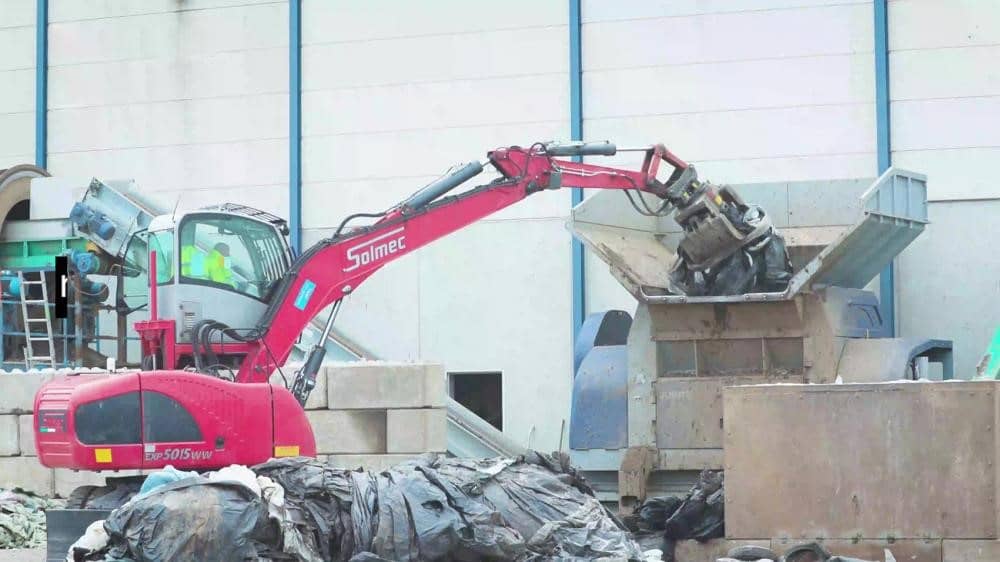
At Daly Plastics, one Jupiter is positioned before a drum screen to shred agricultural film and improve the screening process, helping separate stones and soil from the plastic material.
Lindner Jupiter 2200 for Agricultural Film Recycling
The Lindner Jupiter 2200 is a primary shredder designed for demanding recycling applications.
One of its key advantages in agricultural film recycling is its ability to handle foreign material.
Agricultural plastic film can contain significant quantities of soil and stones, making robustness an important consideration when selecting a plastic recycling shredder.
According to Daly Plastics, this resistance to foreign material was one of the reasons the company selected Lindner shredders.
The Jupiter also incorporates an energy-efficient drive and flywheel energy storage, while its safety clutch helps protect the cutting system if non-shreddable material enters the machine.
Preparing Plastic Film for Automatic Sorting
The second Jupiter 2200 at the facility is used to process post-consumer film before an automated NIR sorting system.
The shredder reduces the material to approximately A4 size, creating an output suitable for optical sorting.
This is an important part of the process because particle size can directly influence the effectiveness of downstream sorting technology.
The smaller, more consistent material allows NIR sensors to distinguish between different plastic types, including LDPE, PE and PP, and separate the material into the appropriate streams.
This demonstrates an important principle of plastics recycling:
The shredder isn’t simply reducing material size — it is preparing the material for the next stage of the recycling process.
Why Consistent Shredding Matters
A successful plastics recycling operation depends on every stage of the process working together.
If the shredder produces inconsistent material, downstream sorting and cleaning can become less effective.
A correctly configured plastic film recycling shredder should therefore deliver:
- Consistent particle size
- Reliable throughput
- Controlled material dosing
- Protection against foreign objects
- Efficient energy consumption
- Reliable long-term operation
The Jupiter 2200 was selected at Daly Plastics because its output was well suited to the requirements of the subsequent sorting process.
Lindner Micromat 2000 for Fine Plastic Shredding
Following sorting and initial processing, the material moves to another stage of the recycling process.
Daly Plastics operates four Lindner Micromat 2000 shredders, with each machine dedicated to one colour of film.
The Micromat 2000 processes the film flakes at a rate of approximately 2–3 tonnes per hour, producing particles around 50 mm in size.
This output is then sent through a dry-cleaning process before being granulated and extruded.
The Micromat therefore performs two important functions:
Shredding + Dosing
This controlled and continuous material flow helps the downstream cleaning and extrusion stages operate effectively.
From Plastic Waste to Recycled Granulate
Once the plastic film has been shredded and cleaned, it is ready for extrusion.
The clean film flakes are fed into an extruder where they are melted and formed into plastic strands.
These strands are then cooled and cut into pellets.
The resulting recycled granulate can be stored in silos or filled into large bags ready for transport to customers.
The finished material can then be used to manufacture new plastic products.
At Daly Plastics, the recycled granulate is used to produce products including tear-resistant film and waste collection bags.
This creates a genuine circular recycling process.
The circular process:
Agricultural & Packaging Film
↓
Lindner Jupiter Shredding
↓
Sorting & Separation
↓
Lindner Micromat Shredding
↓
Dry Cleaning
↓
Extrusion
↓
Recycled Plastic Granulate
↓
New Plastic Products
The Importance of Plastic Purity
Producing recycled plastic isn’t simply about recovering as much material as possible.
The quality of the finished granulate is critical.
Contamination can affect the performance, appearance and suitability of recycled plastic for future manufacturing applications.
Daly Plastics continuously checks the quality of its granulate in the laboratory, highlighting the importance of controlling material purity throughout the recycling process.
This makes the relationship between shredding, sorting and cleaning particularly important.
A high-quality end product starts with well-controlled material preparation.
Why Choose Lindner for Plastic Film Recycling?
The Daly Plastics operation demonstrates several of the characteristics required from industrial shredders operating in a demanding plastics recycling environment.
Robust Construction
Plastic film can contain stones, soil and other unwanted materials. Equipment needs to withstand these challenging conditions.
Consistent Output
Controlled particle size is essential for effective sorting, cleaning and extrusion.
Reliable Dosing
The Micromat can simultaneously shred and dose material into the next stage of the process.
Foreign-Object Protection
The Jupiter’s safety clutch helps protect the cutting system when non-shreddable material enters the machine.
Easy Maintenance
Hydraulic access to the cutting chamber allows foreign objects to be removed quickly and simplifies maintenance.
High Availability
Daly Plastics reports that its Lindner machines operate continuously, with routine maintenance and virtually no long periods of downtime.
24/7 Plastic Recycling
Daly Plastics’ shredding equipment operates four shifts, 24 hours a day, 365 days a year.
That level of utilisation puts significant demands on recycling machinery.
Equipment needs to be reliable, maintainable and capable of delivering consistent output over long operating periods.
For high-volume plastics recyclers, downtime isn’t simply inconvenient.
It can affect:
- Production volumes
- Labour utilisation
- Downstream processing
- Customer deliveries
- Energy efficiency
- Overall profitability
This is why selecting the correct plastic recycling shredder is an important investment decision.
Turning Waste Into a Valuable Resource
The Daly Plastics example demonstrates what can happen when waste is viewed as a resource rather than simply a disposal problem.
Agricultural and packaging film that could otherwise become waste is collected, processed and transformed into recycled plastic granulate.
That granulate then becomes the raw material for new products.
Instead of:
Plastic → Waste → Disposal
the process becomes:
Plastic → Recycling → Granulate → New Plastic Products
This is the circular economy in action.
Plastic Film Recycling in the UK
The UK plastics recycling sector faces many of the same challenges as recycling operations across Europe.
Agricultural film, packaging film and post-consumer plastics can contain contamination and mixed materials that make processing difficult.
Modern plastics recycling shredders therefore need to be designed around the complete application rather than simply the initial shredding stage.
At Mach Tech Services, we can help businesses identify the right Lindner shredding technology based on:
- Material type
- Feedstock
- Contamination levels
- Required throughput
- Target particle size
- Sorting technology
- Downstream equipment
- Final product requirements
Mach Tech Services, Plastics Recycling Shredding Specialists
Mach Tech Services is the sole distributor of Lindner Recyclingtech shredders in the UK and Ireland.
We support customers looking for industrial shredding solutions for:
- Plastic film recycling
- Agricultural film recycling
- Packaging recycling
- Post-consumer plastics
- Plastic production waste
- RDF and SRF
- Waste wood
- Metal recycling
Our support extends beyond machinery supply.
We provide:
- Application consultation
- Installation
- Commissioning
- Preventative maintenance
- Shredder servicing
- Breakdown repairs
- Genuine spare and wear parts
- Precision engineering
- Welding
- Hardfacing
- Machine rebuilds
With the right combination of equipment and engineering support, waste plastic can become a valuable secondary raw material.
Looking for a Plastic Film Recycling Shredder?
If you’re processing agricultural film, packaging film or post-consumer plastics, the correct shredding technology can make a significant difference to the performance of your entire recycling process.
The Lindner Jupiter and Micromat demonstrate how different shredding technologies can be integrated into a plastics recycling system to deliver controlled particle sizes, reliable material dosing and consistent downstream processing.
Speak to Mach Tech Services on 01706 838 246 to discuss your plastics recycling requirements.
Frequently Asked Questions
What is a plastic film recycling shredder?
A plastic film recycling shredder is an industrial machine designed to reduce waste plastic film into a controlled particle size suitable for subsequent sorting, cleaning, extrusion or other recycling processes.
What types of plastic film can be recycled?
Depending on the recycling system, suitable materials can include agricultural film, packaging film, post-consumer film and various polyethylene-based films.
The exact material suitability depends on contamination, polymer type and the requirements of the downstream recycling process.
What is the Lindner Jupiter 2200 used for?
The Lindner Jupiter 2200 is a primary shredder used for demanding recycling applications. In the Daly Plastics operation, Jupiter machines are used to process agricultural and post-consumer film before screening and automatic sorting.
What is the Lindner Micromat 2000 used for?
The Lindner Micromat 2000 is used for finer shredding and controlled dosing of plastic film. At Daly Plastics, four Micromat 2000 machines produce approximately 50 mm particles at around 2–3 tonnes per hour.
Why is particle size important when recycling plastic film?
Consistent particle size helps downstream equipment operate effectively. For example, correctly sized plastic can improve the performance of optical sorting systems and provide the appropriate feedstock for cleaning and extrusion.
Can agricultural film contain stones and soil?
Yes. Agricultural film can contain significant amounts of soil, stones and other foreign material. This is why a robust shredder with suitable foreign-object protection is important.
Can Lindner shredders process contaminated plastic film?
Lindner shredders can be configured for demanding plastic recycling applications, including material containing foreign objects. However, the suitability of a particular machine should always be assessed against the specific feedstock and contamination levels.
What happens after plastic film is shredded?
Depending on the recycling process, shredded plastic can be sorted, cleaned, dried and then extruded into recycled plastic granulate.
What is recycled plastic granulate used for?
Recycled plastic granulate can be used as a raw material for manufacturing new plastic products. In the Daly Plastics example, the granulate is used to produce products including new film and waste collection bags.
Can Mach Tech help with plastics recycling equipment?
Yes. Mach Tech Services can help assess your material and recommend an appropriate Lindner plastics recycling shredder, alongside providing installation, maintenance, engineering and spare-parts support.


Find Your Ideal Shredding Solution, Speak to Our Experts
Looking for the right setup for your operation or need guidance on applications, throughput or particle size? Our specialists are here to help.
Whether you’re exploring the capabilities of the Urraco range or comparing shredding solutions, we’ll work with you to identify the best fit for your needs.
Call us today on 01706 838 246, or get in touch for expert advice, pricing, or to arrange a site visit.
You can also use the form to send your enquiry and a member of our team will be in touch shortly.
"*" indicates required fields